


account

BEA ÅKERLUND

ANNA-SARA DÅVIK

SHOPLIFTER

SUSANNE LJUNG

HAWSOON JOBE

EMMON

SIMON ANUND

MARINA SHIPTJENKO

FAMILJEN

JAAKKO EINO KALEVI

SOFIA GEIDEBY

FREDRIK NIELSEN

LISA BORG

MATEAS PARES

CHARLOTTE BIALAS

DANIEL WESTER

NICOLAS AMA SIAM

FARVASH

INGEGERD RÅMAN
Costume designer and coutirière
Could you introduce yourself and tell us a bit about your creative journey?
I work in the field of costume, in the space between garment, movement, and artistic expression.
My journey began in theatre costume and gradually moved towards fashion, that was my viewpoint for a long time. But I never left the act of making. The craft has always remained central; it is both my foundation and my way of thinking. Today, I feel that these fields have merged, costume, fashion, and craft exist together as one integrated practice.
I work as the head of the ateliers at the Royal Swedish Ballet School, where I create costumes for both classical ballet and contemporary dance. Alongside this, I collaborate with choreographers as a freelance costume designer.
In parallel, I maintain my own artistic practice, where I develop garments as independent works, existing somewhere between clothing, costume, and object. These pieces are created through an intuitive, hands-on process, where material, body, and movement are in constant dialogue. Across all parts of my work, I am interested in distilling form and presence, allowing something essential to emerge through making.
Where did your creative journey begin, and how has your background influenced your work?
I grew up in a deeply creative environment. Both of my parents are designers, my mother a fashion designer and my father a jewellery designer and goldsmith, and my grandmother had a fabric shop. Materials, making, and form were part of everyday life. It was a natural world for me, and also how I learned to express ideas and understand things. That background has shaped me profoundly.
Craft was never something separate, it was simply a way of thinking and being. Over time, I’ve come to realise that my own practice leans more towards an artistic approach than my parents’. That understanding didn’t come immediately, it has taken time to articulate and fully step into. But it has allowed me to see my work not only as design or costume, but as something that moves more freely between disciplines.
Could you describe your current creative projects or initiatives? What are you most passionate about in your creative work?
My current work is centred around making garments, especially for movement. I am interested in how clothing can carry narrative, and how garments can become a way of telling stories or channeling culture as a form of communication.
A lot of my practice is about creating pieces that are meant to be worn and activated by the body, where movement becomes part of the work itself. What I am most passionate about is the emotional and sensory aspect of clothing. I want to create something that can be felt, something that holds memory while also opening up a sense of presence and excitement in the now. I am interested in transforming my skills, knowledge, care, and energy into garments that carry meaning beyond function.
What do you consider your creative expertise?
At the core of my work is holding history within form and making it present, translating memory, culture, and movement into garments.
Creative work often involves revealing hidden layers of oneself. Could you share a personal or professional experience where you had to "take off the mask" to create something authentic?
Authenticity is a prerequisite in my work. I more relate to situations where, in the past, I might have had to put on a “mask” in order to navigate certain environments or expectations.
That is not really an option for me anymore, it was a long time ago.
Today, my work is about stripping that away rather than performing it, and staying close to something honest in the making process.
Who or what inspires your creative process, and how do you incorporate those inspirations into your work?
I have a few go-to sources that always spark something in me and set my process in motion. Scent is essential, as is a serene environment. Beyond that, I need materials, the material is what truly sets me off. It is often where everything begins for me, how ideas emerge and take shape through touch and presence.
For me, it is important to have a space where I feel safe and free, as that directly shapes how I can work and create. From that state, inspiration is not something separate, it becomes part of the making itself.
Do you have any unique rituals or habits that help you tap into your creative flow or overcome creative blocks?
I have daily routines that support my creative flow. When it comes to overcoming creative blocks, I try not to stop for too long. For me, continuity is important. I also try not to let things become too serious, because in essence, it is a form of play.
How important is collaboration in your creative process?
Collaboration is important when it is necessary, when it expands the work rather than defines it. Some of my most shaping experiences have been working with choreographers and dancers, where the garment is tested directly through movement. In those processes, the work is not fixed, it is discovered together, through the body.
What has been your biggest creative challenge to date, and how did you overcome it?
Time and money. I wouldn’t say I have overcome it, it is an ongoing struggle that is still present in my practice.
How has your creative style or approach evolved since you first started? What prompted these changes?
I think I am someone who has not changed in a fundamental way. I am quite persistent, and in many ways my work is about returning to the same core questions and doing them over and over again. What changes is the context around me, and the influences I am exposed to. For example, starting at the Royal Swedish Ballet School was a major shift, it introduced me to thinking through movement, both in cut and material. That way of working pushed my practice to another level and opened something almost revolutionary in how I approach garments.
How do you balance commercial demands with artistic integrity inyour work?
I have a half-time employment, that creates my balance. It provides stability, and allows me to protect the integrity of my own practice.
How do you envision your audience interacting with your work? Ha audience feedback ever changed your creative direction?
In my work for the stage, I want the audience to be moved. I want to be part of
creating something strong that touches people, while also supporting the dancers in their work, enhancing movement and presence. When it comes to the garments I create, my approach is different. I don’t make work to meet a customer’s expectations anymore. If someone connects with a piece, they can choose to live with it, but the work itself is not driven by demand. I don’t think in terms of products, but in pieces, each one part of a larger artistic practice.
How do you hope your creative work contributes to broader cultural or social conversations?
I hope my work can help reconnect the craft of garment making with a deeper cultural and artistic understanding of clothing. Bridging the knowledge between fashion and making as an artistic practice is important to me, I think we need to reconnect.
In an increasingly digital world, how do you navigate between digital and physical expressions of creativity?
My work is fundamentally physical. It begins with material, touch, and the body. The digital world is mostly a tool for communication and documentation for me, it does not replace the making itself. The core of my process is always in the physical encounter with fabric, shape, and movement.
For aspiring creatives, what advice would you give them as they embark on their own creative journeys?
Be true to your work. Stay curious about what you are making and why you are making it. Let that curiosity guide you more than expectation or direction from outside.
BEA ÅKERLUND
ANNA-SARA DÅVIK
SHOPLIFTER
SUSANNE LJUNG
HAWSOON JOBE
EMMON
SIMON ANUND
MARINA SHIPTJENKO
FAMILJEN
JAAKKO EINO KALEVI
SOFIA GEIDEBY
FREDRIK NIELSEN
LISA BORG
MATEAS PARES
CHARLOTTE BIALAS
DANIEL WESTER
NICOLAS AMA SIAM
FARVASH
INGEGERD RÅMAN

A portrait series exploring identity, passion and dreams.


Monday-Friday: 10:00-18:00
Saturday: 11:00-15:00
Sunday: Closed
Monday-Friday: 10:00-18:00
Saturday: 11:00-15:00
Sunday: Closed
Monday-Friday: 10:00-18:00
Saturday: 11:00-15:00
Sunday: Closed
Monday-Friday: 10:00-18:00
Saturday: 11:00-15:00
Sunday: Closed
Monday-Friday: 10:00-18:00
Saturday: 11:00-15:00
Sunday: Closed
Monday-Friday: 10:00-18:00
Saturday: 11:00-15:00
Sunday: Closed
Monday-Friday: 10:00-18:00
Saturday: 11:00-15:00
Sunday: Closed
Monday-Friday: 10:00-18:00
Saturday: 11:00-15:00
Sunday: Closed
Monday-Friday: 10:00-18:00
Saturday: 11:00-15:00
Sunday: Closed
Monday-Friday: 10:00-18:00
Saturday: 11:00-15:00
Sunday: Closed
Monday-Friday: 10:00-18:00
Saturday: 11:00-15:00
Sunday: Closed
Monday-Friday: 10:00-18:00
Saturday: 11:00-15:00
Sunday: Closed
Monday-Friday: 10:00-18:00
Saturday: 11:00-15:00
Sunday: Closed
Monday-Friday: 10:00-18:00
Saturday: 11:00-15:00
Sunday: Closed
Monday-Friday: 10:00-18:00
Saturday: 11:00-15:00
Sunday: Closed
Monday-Friday: 10:00-18:00
Saturday: 11:00-15:00
Sunday: Closed
Monday-Friday: 10:00-18:00
Saturday: 11:00-15:00
Sunday: Closed
Monday-Friday: 10:00-18:00
Saturday: 11:00-15:00
Sunday: Closed
Monday-Friday: 10:00-18:00
Saturday: 11:00-15:00
Sunday: Closed
Monday-Friday: 10:00-18:00
Saturday: 11:00-15:00
Sunday: Closed
Monday-Friday: 10:00-18:00
Saturday: 11:00-15:00
Sunday: Closed
Monday-Friday: 10:00-18:00
Saturday: 11:00-15:00
Sunday: Closed
Monday-Friday: 10:00-18:00
Saturday: 11:00-15:00
Sunday: Closed
Monday-Friday: 10:00-18:00
Saturday: 11:00-15:00
Sunday: Closed
Monday-Friday: 10:00-18:00
Saturday: 11:00-15:00
Sunday: Closed
Monday-Friday: 10:00-18:00
Saturday: 11:00-15:00
Sunday: Closed
Monday-Friday: 10:00-18:00
Saturday: 11:00-15:00
Sunday: Closed
Monday-Friday: 10:00-18:00
Saturday: 11:00-15:00
Sunday: Closed
Monday-Friday: 10:00-18:00
Saturday: 11:00-15:00
Sunday: Closed
Monday-Friday: 10:00-18:00
Saturday: 11:00-15:00
Sunday: Closed
Monday-Friday: 10:00-18:00
Saturday: 11:00-15:00
Sunday: Closed
Monday-Friday: 10:00-18:00
Saturday: 11:00-15:00
Sunday: Closed
Monday-Friday: 10:00-18:00
Saturday: 11:00-15:00
Sunday: Closed
Monday-Friday: 10:00-18:00
Saturday: 11:00-15:00
Sunday: Closed
Monday-Friday: 10:00-18:00
Saturday: 11:00-15:00
Sunday: Closed
Monday-Friday: 10:00-18:00
Saturday: 11:00-15:00
Sunday: Closed
Monday-Friday: 10:00-18:00
Saturday: 11:00-15:00
Sunday: Closed
Monday-Friday: 10:00-18:00
Saturday: 11:00-15:00
Sunday: Closed
Monday-Friday: 10:00-18:00
Saturday: 11:00-15:00
Sunday: Closed
Monday-Friday: 10:00-18:00
Saturday: 11:00-15:00
Sunday: Closed
Monday-Friday: 10:00-18:00
Saturday: 11:00-15:00
Sunday: Closed
Monday-Friday: 10:00-18:00
Saturday: 11:00-15:00
Sunday: Closed
Monday-Friday: 10:00-18:00
Saturday: 11:00-15:00
Sunday: Closed
Monday-Friday: 10:00-18:00
Saturday: 11:00-15:00
Sunday: Closed
Monday-Friday: 10:00-18:00
Saturday: 11:00-15:00
Sunday: Closed
Monday-Friday: 10:00-18:00
Saturday: 11:00-15:00
Sunday: Closed
Monday-Friday: 10:00-18:00
Saturday: 11:00-15:00
Sunday: Closed
Monday-Friday: 10:00-18:00
Saturday: 11:00-15:00
Sunday: Closed
Monday-Friday: 10:00-18:00
Saturday: 11:00-15:00
Sunday: Closed
Monday-Friday: 10:00-18:00
Saturday: 11:00-15:00
Sunday: Closed
Monday-Friday: 10:00-18:00
Saturday: 11:00-15:00
Sunday: Closed
Monday-Friday: 10:00-18:00
Saturday: 11:00-15:00
Sunday: Closed
Monday-Friday: 10:00-18:00
Saturday: 11:00-15:00
Sunday: Closed
Monday-Friday: 10:00-18:00
Saturday: 11:00-15:00
Sunday: Closed
Monday-Friday: 10:00-18:00
Saturday: 11:00-15:00
Sunday: Closed
Monday-Friday: 10:00-18:00
Saturday: 11:00-15:00
Sunday: Closed
Monday-Friday: 10:00-18:00
Saturday: 11:00-15:00
Sunday: Closed
Monday-Friday: 10:00-18:00
Saturday: 11:00-15:00
Sunday: Closed
Monday-Friday: 10:00-18:00
Saturday: 11:00-15:00
Sunday: Closed
Monday-Friday: 10:00-18:00
Saturday: 11:00-15:00
Sunday: Closed
Monday-Friday: 10:00-18:00
Saturday: 11:00-15:00
Sunday: Closed
Monday-Friday: 10:00-18:00
Saturday: 11:00-15:00
Sunday: Closed
Monday-Friday: 10:00-18:00
Saturday: 11:00-15:00
Sunday: Closed
Monday-Friday: 10:00-18:00
Saturday: 11:00-15:00
Sunday: Closed
Monday-Friday: 10:00-18:00
Saturday: 11:00-15:00
Sunday: Closed
Monday-Friday: 10:00-18:00
Saturday: 11:00-15:00
Sunday: Closed
Monday-Friday: 10:00-18:00
Saturday: 11:00-15:00
Sunday: Closed
Monday-Friday: 10:00-18:00
Saturday: 11:00-15:00
Sunday: Closed
Monday-Friday: 10:00-18:00
Saturday: 11:00-15:00
Sunday: Closed
Monday-Friday: 10:00-18:00
Saturday: 11:00-15:00
Sunday: Closed
Monday-Friday: 10:00-18:00
Saturday: 11:00-15:00
Sunday: Closed
Monday-Friday: 10:00-18:00
Saturday: 11:00-15:00
Sunday: Closed
Monday-Friday: 10:00-18:00
Saturday: 11:00-15:00
Sunday: Closed
Monday-Friday: 10:00-18:00
Saturday: 11:00-15:00
Sunday: Closed
Monday-Friday: 10:00-18:00
Saturday: 11:00-15:00
Sunday: Closed
Monday-Friday: 10:00-18:00
Saturday: 11:00-15:00
Sunday: Closed
Monday-Friday: 10:00-18:00
Saturday: 11:00-15:00
Sunday: Closed
Monday-Friday: 10:00-18:00
Saturday: 11:00-15:00
Sunday: Closed
Monday-Friday: 10:00-18:00
Saturday: 11:00-15:00
Sunday: Closed
Monday-Friday: 10:00-18:00
Saturday: 11:00-15:00
Sunday: Closed
Monday-Friday: 10:00-18:00
Saturday: 11:00-15:00
Sunday: Closed
Monday-Friday: 10:00-18:00
Saturday: 11:00-15:00
Sunday: Closed
Monday-Friday: 10:00-18:00
Saturday: 11:00-15:00
Sunday: Closed
Monday-Friday: 10:00-18:00
Saturday: 11:00-15:00
Sunday: Closed
Monday-Friday: 10:00-18:00
Saturday: 11:00-15:00
Sunday: Closed
Monday-Friday: 10:00-18:00
Saturday: 11:00-15:00
Sunday: Closed
Monday-Friday: 10:00-18:00
Saturday: 11:00-15:00
Sunday: Closed
Monday-Friday: 10:00-18:00
Saturday: 11:00-15:00
Sunday: Closed
Monday-Friday: 10:00-18:00
Saturday: 11:00-15:00
Sunday: Closed
Monday-Friday: 10:00-18:00
Saturday: 11:00-15:00
Sunday: Closed
Monday-Friday: 10:00-18:00
Saturday: 11:00-15:00
Sunday: Closed
Monday-Friday: 10:00-18:00
Saturday: 11:00-15:00
Sunday: Closed
Monday-Friday: 10:00-18:00
Saturday: 11:00-15:00
Sunday: Closed
Monday-Friday: 10:00-18:00
Saturday: 11:00-15:00
Sunday: Closed
Monday-Friday: 10:00-18:00
Saturday: 11:00-15:00
Sunday: Closed
Monday-Friday: 10:00-18:00
Saturday: 11:00-15:00
Sunday: Closed
Monday-Friday: 10:00-18:00
Saturday: 11:00-15:00
Sunday: Closed
Monday-Friday: 10:00-18:00
Saturday: 11:00-15:00
Sunday: Closed
Monday-Friday: 10:00-18:00
Saturday: 11:00-15:00
Sunday: Closed
Monday-Friday: 10:00-18:00
Saturday: 11:00-15:00
Sunday: Closed
Monday-Friday: 10:00-18:00
Saturday: 11:00-15:00
Sunday: Closed
Monday-Friday: 10:00-18:00
Saturday: 11:00-15:00
Sunday: Closed
Monday-Friday: 10:00-18:00
Saturday: 11:00-15:00
Sunday: Closed
Monday-Friday: 10:00-18:00
Saturday: 11:00-15:00
Sunday: Closed
Monday-Friday: 10:00-18:00
Saturday: 11:00-15:00
Sunday: Closed
Monday-Friday: 10:00-18:00
Saturday: 11:00-15:00
Sunday: Closed
Monday-Friday: 10:00-18:00
Saturday: 11:00-15:00
Sunday: Closed
Monday-Friday: 10:00-18:00
Saturday: 11:00-15:00
Sunday: Closed
Monday-Friday: 10:00-18:00
Saturday: 11:00-15:00
Sunday: Closed
Monday-Friday: 10:00-18:00
Saturday: 11:00-15:00
Sunday: Closed
Monday-Friday: 10:00-18:00
Saturday: 11:00-15:00
Sunday: Closed
Monday-Friday: 10:00-18:00
Saturday: 11:00-15:00
Sunday: Closed
Monday-Friday: 10:00-18:00
Saturday: 11:00-15:00
Sunday: Closed
Monday-Friday: 10:00-18:00
Saturday: 11:00-15:00
Sunday: Closed
Monday-Friday: 10:00-18:00
Saturday: 11:00-15:00
Sunday: Closed
Monday-Friday: 10:00-18:00
Saturday: 11:00-15:00
Sunday: Closed
Monday-Friday: 10:00-18:00
Saturday: 11:00-15:00
Sunday: Closed
Monday-Friday: 10:00-18:00
Saturday: 11:00-15:00
Sunday: Closed
Monday-Friday: 10:00-18:00
Saturday: 11:00-15:00
Sunday: Closed
Monday-Friday: 10:00-18:00
Saturday: 11:00-15:00
Sunday: Closed
Monday-Friday: 10:00-18:00
Saturday: 11:00-15:00
Sunday: Closed
Monday-Friday: 10:00-18:00
Saturday: 11:00-15:00
Sunday: Closed
Monday-Friday: 10:00-18:00
Saturday: 11:00-15:00
Sunday: Closed
Monday-Friday: 10:00-18:00
Saturday: 11:00-15:00
Sunday: Closed
Monday-Friday: 10:00-18:00
Saturday: 11:00-15:00
Sunday: Closed
Monday-Friday: 10:00-18:00
Saturday: 11:00-15:00
Sunday: Closed
Monday-Friday: 10:00-18:00
Saturday: 11:00-15:00
Sunday: Closed
Monday-Friday: 10:00-18:00
Saturday: 11:00-15:00
Sunday: Closed
Monday-Friday: 10:00-18:00
Saturday: 11:00-15:00
Sunday: Closed
Monday-Friday: 10:00-18:00
Saturday: 11:00-15:00
Sunday: Closed
Monday-Friday: 10:00-18:00
Saturday: 11:00-15:00
Sunday: Closed
Monday-Friday: 10:00-18:00
Saturday: 11:00-15:00
Sunday: Closed
Monday-Friday: 10:00-18:00
Saturday: 11:00-15:00
Sunday: Closed
Monday-Friday: 10:00-18:00
Saturday: 11:00-15:00
Sunday: Closed
Monday-Friday: 10:00-18:00
Saturday: 11:00-15:00
Sunday: Closed
Monday-Friday: 10:00-18:00
Saturday: 11:00-15:00
Sunday: Closed
Monday-Friday: 10:00-18:00
Saturday: 11:00-15:00
Sunday: Closed
Monday-Friday: 10:00-18:00
Saturday: 11:00-15:00
Sunday: Closed
Monday-Friday: 10:00-18:00
Saturday: 11:00-15:00
Sunday: Closed
Monday-Friday: 10:00-18:00
Saturday: 11:00-15:00
Sunday: Closed
Monday-Friday: 10:00-18:00
Saturday: 11:00-15:00
Sunday: Closed
Monday-Friday: 10:00-18:00
Saturday: 11:00-15:00
Sunday: Closed
Monday-Friday: 10:00-18:00
Saturday: 11:00-15:00
Sunday: Closed
Monday-Friday: 10:00-18:00
Saturday: 11:00-15:00
Sunday: Closed
Monday-Friday: 10:00-18:00
Saturday: 11:00-15:00
Sunday: Closed
Monday-Friday: 10:00-18:00
Saturday: 11:00-15:00
Sunday: Closed
Monday-Friday: 10:00-18:00
Saturday: 11:00-15:00
Sunday: Closed
Monday-Friday: 10:00-18:00
Saturday: 11:00-15:00
Sunday: Closed
Monday-Friday: 10:00-18:00
Saturday: 11:00-15:00
Sunday: Closed
Monday-Friday: 10:00-18:00
Saturday: 11:00-15:00
Sunday: Closed
Monday-Friday: 10:00-18:00
Saturday: 11:00-15:00
Sunday: Closed
Monday-Friday: 10:00-18:00
Saturday: 11:00-15:00
Sunday: Closed
Monday-Friday: 10:00-18:00
Saturday: 11:00-15:00
Sunday: Closed
Monday-Friday: 10:00-18:00
Saturday: 11:00-15:00
Sunday: Closed
Monday-Friday: 10:00-18:00
Saturday: 11:00-15:00
Sunday: Closed
Monday-Friday: 10:00-18:00
Saturday: 11:00-15:00
Sunday: Closed
Monday-Friday: 10:00-18:00
Saturday: 11:00-15:00
Sunday: Closed
Monday-Friday: 10:00-18:00
Saturday: 11:00-15:00
Sunday: Closed
Monday-Friday: 10:00-18:00
Saturday: 11:00-15:00
Sunday: Closed
Monday-Friday: 10:00-18:00
Saturday: 11:00-15:00
Sunday: Closed
Monday-Friday: 10:00-18:00
Saturday: 11:00-15:00
Sunday: Closed
Monday-Friday: 10:00-18:00
Saturday: 11:00-15:00
Sunday: Closed
Monday-Friday: 10:00-18:00
Saturday: 11:00-15:00
Sunday: Closed
Monday-Friday: 10:00-18:00
Saturday: 11:00-15:00
Sunday: Closed
Monday-Friday: 10:00-18:00
Saturday: 11:00-15:00
Sunday: Closed
Monday-Friday: 10:00-18:00
Saturday: 11:00-15:00
Sunday: Closed
Monday-Friday: 10:00-18:00
Saturday: 11:00-15:00
Sunday: Closed
Monday-Friday: 10:00-18:00
Saturday: 11:00-15:00
Sunday: Closed
Monday-Friday: 10:00-18:00
Saturday: 11:00-15:00
Sunday: Closed
Monday-Friday: 10:00-18:00
Saturday: 11:00-15:00
Sunday: Closed
Monday-Friday: 10:00-18:00
Saturday: 11:00-15:00
Sunday: Closed
Monday-Friday: 10:00-18:00
Saturday: 11:00-15:00
Sunday: Closed
Monday-Friday: 10:00-18:00
Saturday: 11:00-15:00
Sunday: Closed
Monday-Friday: 10:00-18:00
Saturday: 11:00-15:00
Sunday: Closed
Monday-Friday: 10:00-18:00
Saturday: 11:00-15:00
Sunday: Closed
Monday-Friday: 10:00-18:00
Saturday: 11:00-15:00
Sunday: Closed
Monday-Friday: 10:00-18:00
Saturday: 11:00-15:00
Sunday: Closed
Monday-Friday: 10:00-18:00
Saturday: 11:00-15:00
Sunday: Closed
Monday-Friday: 10:00-18:00
Saturday: 11:00-15:00
Sunday: Closed
Monday-Friday: 10:00-18:00
Saturday: 11:00-15:00
Sunday: Closed
Monday-Friday: 10:00-18:00
Saturday: 11:00-15:00
Sunday: Closed
Monday-Friday: 10:00-18:00
Saturday: 11:00-15:00
Sunday: Closed
Monday-Friday: 10:00-18:00
Saturday: 11:00-15:00
Sunday: Closed
Monday-Friday: 10:00-18:00
Saturday: 11:00-15:00
Sunday: Closed
Monday-Friday: 10:00-18:00
Saturday: 11:00-15:00
Sunday: Closed
Monday-Friday: 10:00-18:00
Saturday: 11:00-15:00
Sunday: Closed
Monday-Friday: 10:00-18:00
Saturday: 11:00-15:00
Sunday: Closed
Monday-Friday: 10:00-18:00
Saturday: 11:00-15:00
Sunday: Closed
Monday-Friday: 10:00-18:00
Saturday: 11:00-15:00
Sunday: Closed
Monday-Friday: 10:00-18:00
Saturday: 11:00-15:00
Sunday: Closed
Monday-Friday: 10:00-18:00
Saturday: 11:00-15:00
Sunday: Closed
Monday-Friday: 10:00-18:00
Saturday: 11:00-15:00
Sunday: Closed
Monday-Friday: 10:00-18:00
Saturday: 11:00-15:00
Sunday: Closed
Monday-Friday: 10:00-18:00
Saturday: 11:00-15:00
Sunday: Closed
Monday-Friday: 10:00-18:00
Saturday: 11:00-15:00
Sunday: Closed
Monday-Friday: 10:00-18:00
Saturday: 11:00-15:00
Sunday: Closed
Monday-Friday: 10:00-18:00
Saturday: 11:00-15:00
Sunday: Closed
Monday-Friday: 10:00-18:00
Saturday: 11:00-15:00
Sunday: Closed
Monday-Friday: 10:00-18:00
Saturday: 11:00-15:00
Sunday: Closed
Monday-Friday: 10:00-18:00
Saturday: 11:00-15:00
Sunday: Closed
Monday-Friday: 10:00-18:00
Saturday: 11:00-15:00
Sunday: Closed
Monday-Friday: 10:00-18:00
Saturday: 11:00-15:00
Sunday: Closed
Monday-Friday: 10:00-18:00
Saturday: 11:00-15:00
Sunday: Closed
Monday-Friday: 10:00-18:00
Saturday: 11:00-15:00
Sunday: Closed
Monday-Friday: 10:00-18:00
Saturday: 11:00-15:00
Sunday: Closed
Monday-Friday: 10:00-18:00
Saturday: 11:00-15:00
Sunday: Closed
Monday-Friday: 10:00-18:00
Saturday: 11:00-15:00
Sunday: Closed
Monday-Friday: 10:00-18:00
Saturday: 11:00-15:00
Sunday: Closed
Monday-Friday: 10:00-18:00
Saturday: 11:00-15:00
Sunday: Closed
Monday-Friday: 10:00-18:00
Saturday: 11:00-15:00
Sunday: Closed
Monday-Friday: 10:00-18:00
Saturday: 11:00-15:00
Sunday: Closed
Monday-Friday: 10:00-18:00
Saturday: 11:00-15:00
Sunday: Closed
Monday-Friday: 10:00-18:00
Saturday: 11:00-15:00
Sunday: Closed
Monday-Friday: 10:00-18:00
Saturday: 11:00-15:00
Sunday: Closed
Monday-Friday: 10:00-18:00
Saturday: 11:00-15:00
Sunday: Closed
Monday-Friday: 10:00-18:00
Saturday: 11:00-15:00
Sunday: Closed
Monday-Friday: 10:00-18:00
Saturday: 11:00-15:00
Sunday: Closed
Monday-Friday: 10:00-18:00
Saturday: 11:00-15:00
Sunday: Closed
Monday-Friday: 10:00-18:00
Saturday: 11:00-15:00
Sunday: Closed
Monday-Friday: 10:00-18:00
Saturday: 11:00-15:00
Sunday: Closed
Monday-Friday: 10:00-18:00
Saturday: 11:00-15:00
Sunday: Closed
Monday-Friday: 10:00-18:00
Saturday: 11:00-15:00
Sunday: Closed
Monday-Friday: 10:00-18:00
Saturday: 11:00-15:00
Sunday: Closed
Monday-Friday: 10:00-18:00
Saturday: 11:00-15:00
Sunday: Closed
Monday-Friday: 10:00-18:00
Saturday: 11:00-15:00
Sunday: Closed
Monday-Friday: 10:00-18:00
Saturday: 11:00-15:00
Sunday: Closed
Monday-Friday: 10:00-18:00
Saturday: 11:00-15:00
Sunday: Closed
Monday-Friday: 10:00-18:00
Saturday: 11:00-15:00
Sunday: Closed
Monday-Friday: 10:00-18:00
Saturday: 11:00-15:00
Sunday: Closed
Monday-Friday: 10:00-18:00
Saturday: 11:00-15:00
Sunday: Closed
Monday-Friday: 10:00-18:00
Saturday: 11:00-15:00
Sunday: Closed
Monday-Friday: 10:00-18:00
Saturday: 11:00-15:00
Sunday: Closed
Monday-Friday: 10:00-18:00
Saturday: 11:00-15:00
Sunday: Closed
Monday-Friday: 10:00-18:00
Saturday: 11:00-15:00
Sunday: Closed
Monday-Friday: 10:00-18:00
Saturday: 11:00-15:00
Sunday: Closed
Monday-Friday: 10:00-18:00
Saturday: 11:00-15:00
Sunday: Closed
Monday-Friday: 10:00-18:00
Saturday: 11:00-15:00
Sunday: Closed
Monday-Friday: 10:00-18:00
Saturday: 11:00-15:00
Sunday: Closed
Monday-Friday: 10:00-18:00
Saturday: 11:00-15:00
Sunday: Closed
Monday-Friday: 10:00-18:00
Saturday: 11:00-15:00
Sunday: Closed
Monday-Friday: 10:00-18:00
Saturday: 11:00-15:00
Sunday: Closed
Monday-Friday: 10:00-18:00
Saturday: 11:00-15:00
Sunday: Closed
Monday-Friday: 10:00-18:00
Saturday: 11:00-15:00
Sunday: Closed
Monday-Friday: 10:00-18:00
Saturday: 11:00-15:00
Sunday: Closed
Monday-Friday: 10:00-18:00
Saturday: 11:00-15:00
Sunday: Closed
Monday-Friday: 10:00-18:00
Saturday: 11:00-15:00
Sunday: Closed
Monday-Friday: 10:00-18:00
Saturday: 11:00-15:00
Sunday: Closed
Monday-Friday: 10:00-18:00
Saturday: 11:00-15:00
Sunday: Closed
Monday-Friday: 10:00-18:00
Saturday: 11:00-15:00
Sunday: Closed
Monday-Friday: 10:00-18:00
Saturday: 11:00-15:00
Sunday: Closed
Monday-Friday: 10:00-18:00
Saturday: 11:00-15:00
Sunday: Closed
Monday-Friday: 10:00-18:00
Saturday: 11:00-15:00
Sunday: Closed
Monday-Friday: 10:00-18:00
Saturday: 11:00-15:00
Sunday: Closed
Monday-Friday: 10:00-18:00
Saturday: 11:00-15:00
Sunday: Closed
Monday-Friday: 10:00-18:00
Saturday: 11:00-15:00
Sunday: Closed
Monday-Friday: 10:00-18:00
Saturday: 11:00-15:00
Sunday: Closed
Monday-Friday: 10:00-18:00
Saturday: 11:00-15:00
Sunday: Closed
Monday-Friday: 10:00-18:00
Saturday: 11:00-15:00
Sunday: Closed
Monday-Friday: 10:00-18:00
Saturday: 11:00-15:00
Sunday: Closed
Monday-Friday: 10:00-18:00
Saturday: 11:00-15:00
Sunday: Closed
Monday-Friday: 10:00-18:00
Saturday: 11:00-15:00
Sunday: Closed
Monday-Friday: 10:00-18:00
Saturday: 11:00-15:00
Sunday: Closed
Monday-Friday: 10:00-18:00
Saturday: 11:00-15:00
Sunday: Closed
Monday-Friday: 10:00-18:00
Saturday: 11:00-15:00
Sunday: Closed
Monday-Friday: 10:00-18:00
Saturday: 11:00-15:00
Sunday: Closed
Monday-Friday: 10:00-18:00
Saturday: 11:00-15:00
Sunday: Closed
Monday-Friday: 10:00-18:00
Saturday: 11:00-15:00
Sunday: Closed
Monday-Friday: 10:00-18:00
Saturday: 11:00-15:00
Sunday: Closed
Monday-Friday: 10:00-18:00
Saturday: 11:00-15:00
Sunday: Closed
Monday-Friday: 10:00-18:00
Saturday: 11:00-15:00
Sunday: Closed
Monday-Friday: 10:00-18:00
Saturday: 11:00-15:00
Sunday: Closed
Monday-Friday: 10:00-18:00
Saturday: 11:00-15:00
Sunday: Closed
Monday-Friday: 10:00-18:00
Saturday: 11:00-15:00
Sunday: Closed
Monday-Friday: 10:00-18:00
Saturday: 11:00-15:00
Sunday: Closed
Monday-Friday: 10:00-18:00
Saturday: 11:00-15:00
Sunday: Closed
Monday-Friday: 10:00-18:00
Saturday: 11:00-15:00
Sunday: Closed
Monday-Friday: 10:00-18:00
Saturday: 11:00-15:00
Sunday: Closed
Monday-Friday: 10:00-18:00
Saturday: 11:00-15:00
Sunday: Closed
Monday-Friday: 10:00-18:00
Saturday: 11:00-15:00
Sunday: Closed
Monday-Friday: 10:00-18:00
Saturday: 11:00-15:00
Sunday: Closed
Monday-Friday: 10:00-18:00
Saturday: 11:00-15:00
Sunday: Closed
Monday-Friday: 10:00-18:00
Saturday: 11:00-15:00
Sunday: Closed
Monday-Friday: 10:00-18:00
Saturday: 11:00-15:00
Sunday: Closed
Monday-Friday: 10:00-18:00
Saturday: 11:00-15:00
Sunday: Closed
Monday-Friday: 10:00-18:00
Saturday: 11:00-15:00
Sunday: Closed
Monday-Friday: 10:00-18:00
Saturday: 11:00-15:00
Sunday: Closed
Monday-Friday: 10:00-18:00
Saturday: 11:00-15:00
Sunday: Closed
Monday-Friday: 10:00-18:00
Saturday: 11:00-15:00
Sunday: Closed
Monday-Friday: 10:00-18:00
Saturday: 11:00-15:00
Sunday: Closed
Monday-Friday: 10:00-18:00
Saturday: 11:00-15:00
Sunday: Closed
Monday-Friday: 10:00-18:00
Saturday: 11:00-15:00
Sunday: Closed
Monday-Friday: 10:00-18:00
Saturday: 11:00-15:00
Sunday: Closed
Monday-Friday: 10:00-18:00
Saturday: 11:00-15:00
Sunday: Closed
Monday-Friday: 10:00-18:00
Saturday: 11:00-15:00
Sunday: Closed
Monday-Friday: 10:00-18:00
Saturday: 11:00-15:00
Sunday: Closed
Monday-Friday: 10:00-18:00
Saturday: 11:00-15:00
Sunday: Closed
Monday-Friday: 10:00-18:00
Saturday: 11:00-15:00
Sunday: Closed
Monday-Friday: 10:00-18:00
Saturday: 11:00-15:00
Sunday: Closed
Monday-Friday: 10:00-18:00
Saturday: 11:00-15:00
Sunday: Closed
Monday-Friday: 10:00-18:00
Saturday: 11:00-15:00
Sunday: Closed
Monday-Friday: 10:00-18:00
Saturday: 11:00-15:00
Sunday: Closed
Monday-Friday: 10:00-18:00
Saturday: 11:00-15:00
Sunday: Closed
Monday-Friday: 10:00-18:00
Saturday: 11:00-15:00
Sunday: Closed
Monday-Friday: 10:00-18:00
Saturday: 11:00-15:00
Sunday: Closed
Monday-Friday: 10:00-18:00
Saturday: 11:00-15:00
Sunday: Closed
Monday-Friday: 10:00-18:00
Saturday: 11:00-15:00
Sunday: Closed
Monday-Friday: 10:00-18:00
Saturday: 11:00-15:00
Sunday: Closed
Monday-Friday: 10:00-18:00
Saturday: 11:00-15:00
Sunday: Closed
Monday-Friday: 10:00-18:00
Saturday: 11:00-15:00
Sunday: Closed
Monday-Friday: 10:00-18:00
Saturday: 11:00-15:00
Sunday: Closed
Monday-Friday: 10:00-18:00
Saturday: 11:00-15:00
Sunday: Closed
Monday-Friday: 10:00-18:00
Saturday: 11:00-15:00
Sunday: Closed
Monday-Friday: 10:00-18:00
Saturday: 11:00-15:00
Sunday: Closed
Monday-Friday: 10:00-18:00
Saturday: 11:00-15:00
Sunday: Closed
Monday-Friday: 10:00-18:00
Saturday: 11:00-15:00
Sunday: Closed
Monday-Friday: 10:00-18:00
Saturday: 11:00-15:00
Sunday: Closed
Monday-Friday: 10:00-18:00
Saturday: 11:00-15:00
Sunday: Closed
Monday-Friday: 10:00-18:00
Saturday: 11:00-15:00
Sunday: Closed
Monday-Friday: 10:00-18:00
Saturday: 11:00-15:00
Sunday: Closed
Monday-Friday: 10:00-18:00
Saturday: 11:00-15:00
Sunday: Closed
Monday-Friday: 10:00-18:00
Saturday: 11:00-15:00
Sunday: Closed
Monday-Friday: 10:00-18:00
Saturday: 11:00-15:00
Sunday: Closed
Monday-Friday: 10:00-18:00
Saturday: 11:00-15:00
Sunday: Closed
Monday-Friday: 10:00-18:00
Saturday: 11:00-15:00
Sunday: Closed
Monday-Friday: 10:00-18:00
Saturday: 11:00-15:00
Sunday: Closed
Monday-Friday: 10:00-18:00
Saturday: 11:00-15:00
Sunday: Closed
Monday-Friday: 10:00-18:00
Saturday: 11:00-15:00
Sunday: Closed
Monday-Friday: 10:00-18:00
Saturday: 11:00-15:00
Sunday: Closed
Monday-Friday: 10:00-18:00
Saturday: 11:00-15:00
Sunday: Closed
Monday-Friday: 10:00-18:00
Saturday: 11:00-15:00
Sunday: Closed
Monday-Friday: 10:00-18:00
Saturday: 11:00-15:00
Sunday: Closed
Monday-Friday: 10:00-18:00
Saturday: 11:00-15:00
Sunday: Closed
Monday-Friday: 10:00-18:00
Saturday: 11:00-15:00
Sunday: Closed
Monday-Friday: 10:00-18:00
Saturday: 11:00-15:00
Sunday: Closed
Monday-Friday: 10:00-18:00
Saturday: 11:00-15:00
Sunday: Closed
Monday-Friday: 10:00-18:00
Saturday: 11:00-15:00
Sunday: Closed
Monday-Friday: 10:00-18:00
Saturday: 11:00-15:00
Sunday: Closed
Monday-Friday: 10:00-18:00
Saturday: 11:00-15:00
Sunday: Closed
Monday-Friday: 10:00-18:00
Saturday: 11:00-15:00
Sunday: Closed
Monday-Friday: 10:00-18:00
Saturday: 11:00-15:00
Sunday: Closed
Monday-Friday: 10:00-18:00
Saturday: 11:00-15:00
Sunday: Closed
Monday-Friday: 10:00-18:00
Saturday: 11:00-15:00
Sunday: Closed
Monday-Friday: 10:00-18:00
Saturday: 11:00-15:00
Sunday: Closed
Monday-Friday: 10:00-18:00
Saturday: 11:00-15:00
Sunday: Closed
Monday-Friday: 10:00-18:00
Saturday: 11:00-15:00
Sunday: Closed
Monday-Friday: 10:00-18:00
Saturday: 11:00-15:00
Sunday: Closed
Monday-Friday: 10:00-18:00
Saturday: 11:00-15:00
Sunday: Closed
Monday-Friday: 10:00-18:00
Saturday: 11:00-15:00
Sunday: Closed
Monday-Friday: 10:00-18:00
Saturday: 11:00-15:00
Sunday: Closed
Monday-Friday: 10:00-18:00
Saturday: 11:00-15:00
Sunday: Closed
Monday-Friday: 10:00-18:00
Saturday: 11:00-15:00
Sunday: Closed
Monday-Friday: 10:00-18:00
Saturday: 11:00-15:00
Sunday: Closed
Monday-Friday: 10:00-18:00
Saturday: 11:00-15:00
Sunday: Closed
Monday-Friday: 10:00-18:00
Saturday: 11:00-15:00
Sunday: Closed
Monday-Friday: 10:00-18:00
Saturday: 11:00-15:00
Sunday: Closed
Monday-Friday: 10:00-18:00
Saturday: 11:00-15:00
Sunday: Closed
Monday-Friday: 10:00-18:00
Saturday: 11:00-15:00
Sunday: Closed
Monday-Friday: 10:00-18:00
Saturday: 11:00-15:00
Sunday: Closed
Monday-Friday: 10:00-18:00
Saturday: 11:00-15:00
Sunday: Closed
Monday-Friday: 10:00-18:00
Saturday: 11:00-15:00
Sunday: Closed
Monday-Friday: 10:00-18:00
Saturday: 11:00-15:00
Sunday: Closed
Monday-Friday: 10:00-18:00
Saturday: 11:00-15:00
Sunday: Closed
Monday-Friday: 10:00-18:00
Saturday: 11:00-15:00
Sunday: Closed
Monday-Friday: 10:00-18:00
Saturday: 11:00-15:00
Sunday: Closed
Monday-Friday: 10:00-18:00
Saturday: 11:00-15:00
Sunday: Closed
Monday-Friday: 10:00-18:00
Saturday: 11:00-15:00
Sunday: Closed
Monday-Friday: 10:00-18:00
Saturday: 11:00-15:00
Sunday: Closed
Monday-Friday: 10:00-18:00
Saturday: 11:00-15:00
Sunday: Closed
Monday-Friday: 10:00-18:00
Saturday: 11:00-15:00
Sunday: Closed
Monday-Friday: 10:00-18:00
Saturday: 11:00-15:00
Sunday: Closed
Monday-Friday: 10:00-18:00
Saturday: 11:00-15:00
Sunday: Closed
Monday-Friday: 10:00-18:00
Saturday: 11:00-15:00
Sunday: Closed
Monday-Friday: 10:00-18:00
Saturday: 11:00-15:00
Sunday: Closed
Monday-Friday: 10:00-18:00
Saturday: 11:00-15:00
Sunday: Closed
Monday-Friday: 10:00-18:00
Saturday: 11:00-15:00
Sunday: Closed
Monday-Friday: 10:00-18:00
Saturday: 11:00-15:00
Sunday: Closed
Monday-Friday: 10:00-18:00
Saturday: 11:00-15:00
Sunday: Closed
Monday-Friday: 10:00-18:00
Saturday: 11:00-15:00
Sunday: Closed
Monday-Friday: 10:00-18:00
Saturday: 11:00-15:00
Sunday: Closed
Monday-Friday: 10:00-18:00
Saturday: 11:00-15:00
Sunday: Closed
Monday-Friday: 10:00-18:00
Saturday: 11:00-15:00
Sunday: Closed
Monday-Friday: 10:00-18:00
Saturday: 11:00-15:00
Sunday: Closed
Monday-Friday: 10:00-18:00
Saturday: 11:00-15:00
Sunday: Closed
Monday-Friday: 10:00-18:00
Saturday: 11:00-15:00
Sunday: Closed
Monday-Friday: 10:00-18:00
Saturday: 11:00-15:00
Sunday: Closed
Monday-Friday: 10:00-18:00
Saturday: 11:00-15:00
Sunday: Closed
Monday-Friday: 10:00-18:00
Saturday: 11:00-15:00
Sunday: Closed
Monday-Friday: 10:00-18:00
Saturday: 11:00-15:00
Sunday: Closed
Monday-Friday: 10:00-18:00
Saturday: 11:00-15:00
Sunday: Closed
Monday-Friday: 10:00-18:00
Saturday: 11:00-15:00
Sunday: Closed
Monday-Friday: 10:00-18:00
Saturday: 11:00-15:00
Sunday: Closed
Monday-Friday: 10:00-18:00
Saturday: 11:00-15:00
Sunday: Closed
Monday-Friday: 10:00-18:00
Saturday: 11:00-15:00
Sunday: Closed
Monday-Friday: 10:00-18:00
Saturday: 11:00-15:00
Sunday: Closed
Monday-Friday: 10:00-18:00
Saturday: 11:00-15:00
Sunday: Closed
Monday-Friday: 10:00-18:00
Saturday: 11:00-15:00
Sunday: Closed
Monday-Friday: 10:00-18:00
Saturday: 11:00-15:00
Sunday: Closed
Monday-Friday: 10:00-18:00
Saturday: 11:00-15:00
Sunday: Closed

5AM OPTICS
Xavier de Cocklaan 73, 9831, Deurle, Belgium
Monday-Friday: 10:00-18:00
Saturday: 11:00-15:00
Sunday: Closed
+32473534516
AD OCULOS OPTHALMIC OPTICS
Friedrichstraße 22, 47441 Moers, Germany
+4943223643814
AMADEUS OPTIK
Sigmund-Haffner-Gasse 14, 5020, Salzburg, Austria
Monday-Friday: 10:00-18:00
Saturday: 11:00-15:00
Sunday: Closed
+43662840374
ANNE ET VALENTIN NEW YORK
2 Prince Street, 10012 New York, United States
+12122262343
ANNE & VALENTIN TOULOUSE
6 Pl. Rouaix, 31000, Toulouse, France
Monday-Friday: 10:00-18:00
Saturday: 11:00-15:00
Sunday: Closed
+33561251583
ATELIER ENCONTRE/ATELIER LOU
120 Rue De Courcelles, 75017, Paris, France
Monday-Friday: 10:00-18:00
Saturday: 11:00-15:00
Sunday: Closed
+33675355300
ATELIER LOU OPTIQUE JACOB
120 Rue de Courcelles, 75017 Paris, France
+33675355300
ATELIER MIRA
193 Grand Street, 11211 Brooklyn, United States
+17187478844
ATOL FIGEAC
14 Pl Barthal, 46100, Figeac, France
Monday-Friday: 10:00-18:00
Saturday: 11:00-15:00
Sunday: Closed
+33565402380
AUG APFEL
Hartstraße 1, 39104, Magdeburg, Germany
Monday-Friday: 10:00-18:00
Saturday: 11:00-15:00
Sunday: Closed
+493914005227
AUGE UND BRILLE OLCHING
Hauptstraße 25, 82140 Olching, Germany
+4981426550889
AUGENBLICK IN EPPENDORF GMBH
Eppendorfer Landstraße 56, 20249, Hamburg, Germany
Monday-Friday: 10:00-18:00
Saturday: 11:00-15:00
Sunday: Closed
+4940486530
AUGENBLICK-OPTIK BREMEN
Ostertorsteinweg 61, 28203, Bremen, Germany
Monday-Friday: 10:00-18:00
Saturday: 11:00-15:00
Sunday: Closed
AUGENBLICK OPTIK ESSEN
Rüttenscheider Str. 124, 45131, Essen, Germany
Monday-Friday: 10:00-18:00
Saturday: 11:00-15:00
Sunday: Closed
+49211790025
AUGENBLICKE
Kaiserin Elisabethstr. 13, 2340, Mödling, Austria
Monday-Friday: 10:00-18:00
Saturday: 11:00-15:00
Sunday: Closed
+43223643814
AUGENOPTIK BLEIBTREUSTRASSE
Bleibtreustraße 6, 10623 Berlin, Germany
+49303135800
AUGENOPTIK & HÖGERÄTE SOMMER
Ludwigstraße 26, 94032, Passau, Germany
Monday-Friday: 10:00-18:00
Saturday: 11:00-15:00
Sunday: Closed
+4985151396
AUGENOPTIK LUKASCZYK
Marienthaler Strasse 121, 08060 ZWICKAU, Germany
+49375522627
AUGENWEIDE
Hohenstaufenring 72, 50674, Köln, Germany
Monday-Friday: 10:00-18:00
Saturday: 11:00-15:00
Sunday: Closed
+49221231728
AUGENWERK / HERBST & ONDRAK
Margaretenstraße 40, 1040, Wien, Austria
Monday-Friday: 10:00-18:00
Saturday: 11:00-15:00
Sunday: Closed
+4315862214
AXE OPTIC
Rue d'Ifrane, 20250, Casablanca, Marocko
Monday-Friday: 10:00-18:00
Saturday: 11:00-15:00
Sunday: Closed
+212522491737
BACKMANS OPTIK
9 Torggatan, 22100, Mariehamn, Finland
Monday-Friday: 10:00-18:00
Saturday: 11:00-15:00
Sunday: Closed
+3581819226
BÅGAR & GLAS - NORRLANDSGATAN
Norrlandsgatan 7, 11143, Stockholm, Sweden
Monday-Friday: 10:00-18:00
Saturday: 11:00-15:00
Sunday: Closed
+4686118309
opticians.bagarglas.se/
BÅGAR OCH GLAS - GAMLA STAN
Kornhamnstorg 51, 11127, Stockholm, Sweden
Monday-Friday: 10:00-18:00
Saturday: 11:00-15:00
Sunday: Closed
+4684111157
BARON COLLECTION AB
Humlegårdsgatan 19, 11446 Stockholm, Sweden
+468234303
BELLAMISO OPTIK
Schönhauser Allee 126a, 10437 Berlin, Germany
+493044356220
BERGER OPTIK
Wahlenstraße 24, 93047, Regensburg, Germany
Monday-Friday: 10:00-18:00
Saturday: 11:00-15:00
Sunday: Closed
+4994189972366
BESPOKE EYEWEAR
4 Royal Parade, HG1 2SZ, Harrogate, United Kingdom
Monday-Friday: 10:00-18:00
Saturday: 11:00-15:00
Sunday: Closed
+441423520330
BLICK BRILLEN VOF
Pannekoekstraat 37A, 3011 LC, Rotterdam, Netherlands
Monday-Friday: 10:00-18:00
Saturday: 11:00-15:00
Sunday: Closed
+31102601282
BLINC VASE
〒107-0061, 3 Chome−5−16 1F, Tokyo, Minato City, Kita-Aoyama, Japan
Monday-Friday: 10:00-18:00
Saturday: 11:00-15:00
Sunday: Closed
+81334012835
BLINKA VISION
381 Rte des Rigoles, 74370, Argonay, France
Monday-Friday: 10:00-18:00
Saturday: 11:00-15:00
Sunday: Closed
+33450198940
BLOG DON'T LIE
Via Michelangelo Buonarroti, 4, 25030, Pompiano BS, Italy
Monday-Friday: 10:00-18:00
Saturday: 11:00-15:00
Sunday: Closed
+390303454483
BOKISZ
Kopernika 10, 11-200, Bartoszyce, Poland
Monday-Friday: 10:00-18:00
Saturday: 11:00-15:00
Sunday: Closed
+48507246080
BONOT OPTICIEN
33 Avenue Edouard Vaillant, 92150, Suresnes, France
Monday-Friday: 10:00-18:00
Saturday: 11:00-15:00
Sunday: Closed
+33145061518
BONOT OPTICIEN VUE RIVE GAUCHE
36 Rue du Bac, 75007, Paris, France
Monday-Friday: 10:00-18:00
Saturday: 11:00-15:00
Sunday: Closed
+33142612485
BONOT OPTICIENS
2 Rue Voltaire, 92250 La Garenne Colombes, France
+33147863558
BONOT OPTICIENS SCEAUX
86 Rue Houdan, 92330, Sceaux, France
Monday-Friday: 10:00-18:00
Saturday: 11:00-15:00
Sunday: Closed
+33146611626
BOUTIQUE OPTIQUE
Prins Hendrikstraat 1 (hoek Utrechtseweg), 6862 GX Oosterbeek, Netherlands
+312620202266
BRILLE 1 E.LAZAR
Bahnhofstrasse 43a, 05601 Baunatal, Germany
+4956019690234
BRILLEN ATELIER
Große Schmiedestrasse 9, 21682 Stade, Germany
+491707101995
BRILLEN BEI MILEWSKI
Eschersheimer Landstraße 476, 60433 Frankfurt am Main, Germany
+4969520582
BRILLEN MANUFAKTUR
Neubaugasse 18, 1070, Wien, Austria
Monday-Friday: 10:00-18:00
Saturday: 11:00-15:00
Sunday: Closed
+4315238200
BRILLEN MÜLLER GMBH
Benderstrasse 71A, 40265, Düsseldorf, Germany
Monday-Friday: 10:00-18:00
Saturday: 11:00-15:00
Sunday: Closed
+49211287774
Brillen Schneider - Optiker München
Türkenstraße 23, 80799, München, Germany
Monday-Friday: 10:00-18:00
Saturday: 11:00-15:00
Sunday: Closed
+4989281362
BRILLENBAR FRANKFURT
Schweizer Str. 50, 60594, Frankfurt am Main, Germany
Monday-Friday: 10:00-18:00
Saturday: 11:00-15:00
Sunday: Closed
+496960668945
BRILLENGALERIE HALLE
Dorfstraße 86, 84051, Essenbach, Germany
Monday-Friday: 10:00-18:00
Saturday: 11:00-15:00
Sunday: Closed
+4987034653556
BRILLENGALERIE JOACHIM STÜRMER
Bahnhofstr. 17, 56859, Bullay, Germany
Monday-Friday: 10:00-18:00
Saturday: 11:00-15:00
Sunday: Closed
+496542961802
BRILLENHALLE
Schmeerstr. 22, 6108, Halle / Saale, Germany
Monday-Friday: 10:00-18:00
Saturday: 11:00-15:00
Sunday: Closed
+4934597721795
BRILLENMACHEREI
Klingenhofstr 72 Im Ofenwerk, 90411, Nürnberg, Germany
Monday-Friday: 10:00-18:00
Saturday: 11:00-15:00
Sunday: Closed
BRILLENMODE AM LAUSITZER PLATZ
Lausitzer Pl. 12A, 10997, Berlin, Germany
Monday-Friday: 10:00-18:00
Saturday: 11:00-15:00
Sunday: Closed
+49306127381
BRILLENWERK DURGUT
Schülerstrasse 4, 32756 Detmold, Germany
+4952319437248
BRILLENWERKSTATT
Oranienstraße 32, 10999, Berlin, Germany
Monday-Friday: 10:00-18:00
Saturday: 11:00-15:00
Sunday: Closed
+49306147318
BRILLOR Å SÅNT
Gustav Adolfs torg 10, 21139, Malmö, Sweden
Monday-Friday: 10:00-18:00
Saturday: 11:00-15:00
Sunday: Closed
+46406116106
BRUNO ZANA OPTICIEN
230 Rue De La Convention, 75015 Paris,France
Monday-Friday: 10:00-18:00
Saturday: 11:00-15:00
Sunday: Closed
33156565011
BUSCHMANN OPTIK
Breite Str. 161, 50667, Cologne, Germany
Monday-Friday: 10:00-18:00
Saturday: 11:00-15:00
Sunday: Closed
+492212576012
BVBA OPTIEK POLLERS
Grote Baan 72, 3530, Houthalen, Belgium
Monday-Friday: 10:00-18:00
Saturday: 11:00-15:00
Sunday: Closed
+32496855427
CAPELLE OPTICIEN
65 rue Antoine Dansaert, 1000 Bruxelles, Belgium
+3225115305
CARTALAT OPTICIENS
19 Gd Rue de la Croix-Rousse, 69004, Lyon, France
Monday-Friday: 10:00-18:00
Saturday: 11:00-15:00
Sunday: Closed
+33478305018
CERTOTTICA SCRL
Zona Industriale Villanova 7/A, 32013 Longarone, Italy
+39437573157
CHOOSY OPTIC
Via Carlo Marenco 32, 12073, Ceva CN, Italy
Monday-Friday: 10:00-18:00
Saturday: 11:00-15:00
Sunday: Closed
+390174491049
CHRISTIAN BARTELS OPTIK
Heinsestrasse 8, 63739 Aschaffenburg, Germany
+496021584895
CITY OPTIK
Drottninggatan 80, 11136, Stockholm, Sweden
Monday-Friday: 10:00-18:00
Saturday: 11:00-15:00
Sunday: Closed
+4687917570
https://cityoptik.se/
CONNIVENCE OPTICIENS AIX-EN-PROVENCE
1 Rue Granet, 13100 Aix-en-Provence, Frankrike
+33661956278
DAMIEN LUNETIER D'AUTEURS
9 Rue Saint-Guilhem, 34000, Montpellier, France
Monday-Friday: 10:00-18:00
Saturday: 11:00-15:00
Sunday: Closed
+33467607861
DEMITZ OPTIK
Sätragränd 3, 51154, Kinna, Sweden
Monday-Friday: 10:00-18:00
Saturday: 11:00-15:00
Sunday: Closed
+4632010158
DER BRILLENLADEN E.K.
Rathausstraße 3, 33602, Bielefeld, Germany
Monday-Friday: 10:00-18:00
Saturday: 11:00-15:00
Sunday: Closed
+49521170205
DER OPTIKER STEFAN WAHL
Karl-Marx-Straße 7, 67655, Kaiserslautern, Germany
Monday-Friday: 10:00-18:00
Saturday: 11:00-15:00
Sunday: Closed
+4963189290698
DIE BRILLE BS OPTIK AG
Schaffhauserstrasse 70, 8057, Zürich, Switzerland
Monday-Friday: 10:00-18:00
Saturday: 11:00-15:00
Sunday: Closed
+41443508090
DIE BRILLE OPTIK
In the Muslen 2, 78054, Villingen-Schwenningen, Germany
Monday-Friday: 10:00-18:00
Saturday: 11:00-15:00
Sunday: Closed
+49772032260
DJURSHOLMS OPTIK
Vendevägen 12, 18269, Djursholm, Sweden
Monday-Friday: 10:00-18:00
Saturday: 11:00-15:00
Sunday: Closed
+4687550130
DM OPTIEK
Biezestraat 18, 9220, Hamme, Belgium
Monday-Friday: 10:00-18:00
Saturday: 11:00-15:00
Sunday: Closed
+3252523768
DOCKS OPTIC
Kurfürstenpl 3, 80796, München, Germany
Monday-Friday: 10:00-18:00
Saturday: 11:00-15:00
Sunday: Closed
+49892732030
DUNOYER OPTICIENS
12 Boulevard Voltaire, 75011 Paris, France
+33147008403
EDGAR OPTIQUE
Rue Emile Claus 56, 1180 Uccle, Belgium
Monday-Friday: 10:00-18:00
Saturday: 11:00-15:00
Sunday: Closed
EDGAR OPTIQUE
Rue Emile Claus 56, 1180, Uccle, Belgium
Monday-Friday: 10:00-18:00
Saturday: 11:00-15:00
Sunday: Closed
+3226481422
ELISON EYE BOUTIQUE
Dizengoff street 264, 6311623 Tel Aviv, Israel
+972545383712
ELISON OPTIC & SUNGLASSES
Dizengoff St 264, Tel Aviv-Yafo, Israel
Monday-Friday: 10:00-18:00
Saturday: 11:00-15:00
Sunday: Closed
+97235544980
EYE AM SOINS OCULAIRES
2600 Rue William-Tremblay suite 110, H1Y 3J2, Montreal, Canada
Monday-Friday: 10:00-18:00
Saturday: 11:00-15:00
Sunday: Closed
+15146134300
EYE CAFÉ
Rue Antoine Dansaert 52, 1000, Bruxelles, Belgium
Monday-Friday: 10:00-18:00
Saturday: 11:00-15:00
Sunday: Closed
+32477815132
EYE GALLERY PARIS / MONTPARNASSE
75014, Paris, France
Monday-Friday: 10:00-18:00
Saturday: 11:00-15:00
Sunday: Closed
+33652792090
info@oscarmagnuson.com
www.oscarmagnuson.fr
EYE GALLERY PARIS / RENNES
145 Rue de Rennes, 75006, Paris, France
Monday-Friday: 10:00-18:00
Saturday: 11:00-15:00
Sunday: Closed
+33140476829
EYES IN THE GLEBE EYECARE
831 Bank St, ON K1S 3V9, Ottawa, Canada
Monday-Friday: 10:00-18:00
Saturday: 11:00-15:00
Sunday: Closed
+16136992376
FICHTENMAYER
Eisenbahnstaße 15, 66424, Homburg, Germany
Monday-Friday: 10:00-18:00
Saturday: 11:00-15:00
Sunday: Closed
+49684162487
FILIA76 - GLASSES FOR IDENTITIES
Neue Fahrt 7, 34117, Kassel, Germany
Monday-Friday: 10:00-18:00
Saturday: 11:00-15:00
Sunday: Closed
+49561771604
FINESSE OPTIK GMBH
Gerberau 7A, 79098, Freiburg, Germany
Monday-Friday: 10:00-18:00
Saturday: 11:00-15:00
Sunday: Closed
+497612921411
FRAU FELLER
Alte Hattinger Str.28-30, 44789, Bochum, Germany
Monday-Friday: 10:00-18:00
Saturday: 11:00-15:00
Sunday: Closed
+4923432524427
FRAU KUHL - DEINE AUGENOPTIKERMEISTERIN
Schillingstraße 30, 44139 Dortmund, Germany
+4923113710426
FREDSGATAN OPTIK
Fredsgatan 10, 41107, Göteborg, Sweden
Monday-Friday: 10:00-18:00
Saturday: 11:00-15:00
Sunday: Closed
+46317118770
FÜNF HÖFE OPTIK
Theatinerstrasse 8, 80333, München, Germany
Monday-Friday: 10:00-18:00
Saturday: 11:00-15:00
Sunday: Closed
+498924243838
GALERIA OKULAROW KAMIL SKOPINSKI
ul. Warszawska 15/17, 05190 Nasielsk, Poland
+48696271042
GERTZ OPTIK
Dragarbrunnsgatan 39, 75320, Uppsala, Sweden
Monday-Friday: 10:00-18:00
Saturday: 11:00-15:00
Sunday: Closed
+4618131760
GLASÖGONHUSET
Kungsgatan 23, 70211, Örebro, Sweden
Monday-Friday: 10:00-18:00
Saturday: 11:00-15:00
Sunday: Closed
+46196114033
GOISERN OPTIK
Obere Marktstraße 1, 4822, Bad Goisern am Hallstättersee, Austria
Monday-Friday: 10:00-18:00
Saturday: 11:00-15:00
Sunday: Closed
+4361358273
GUY BOUTROS LUNETTES
Guy Boutros Lunettes, 75016 Paris, France
+33145278135
HARTMANN
Singerstraße 8, 1010, Wien, Austria
Monday-Friday: 10:00-18:00
Saturday: 11:00-15:00
Sunday: Closed
+43151214890
HELMUT.WIDAUER.BRILLE
Adolf-Pichler-Platz 10, 6020, Innsbruck, Austria
Monday-Friday: 10:00-18:00
Saturday: 11:00-15:00
Sunday: Closed
+43512319206
HELSINGIN KATSE
Tölöviksgatan 2, 100, Helsingfors, Finland
Monday-Friday: 10:00-18:00
Saturday: 11:00-15:00
Sunday: Closed
+35896216616
HENNO CYSOUW OPTIEK
Markt 19, 4531 EP, Terneuzen, Netherlands
Monday-Friday: 10:00-18:00
Saturday: 11:00-15:00
Sunday: Closed
+31115616113
HERR MENIG OPTIK
Obere Wörthstrasse 5, 90403, Nürnberg, Germany
Monday-Friday: 10:00-18:00
Saturday: 11:00-15:00
Sunday: Closed
+4991124062314
HEUNEN OPTICIENS
Markt 5, 6191, JG Beek, Netherlands
Monday-Friday: 10:00-18:00
Saturday: 11:00-15:00
Sunday: Closed
+31464362004
HISTOIRE D'UN REGARD
55 RUE JULES FERRY, 33500 LIBOURNE, France
+33557504110
HOLLFELDER JUWELIER UND OPTIK GMBH DORNBIRN
Marktstrasse 18B, 6850 Dornbirn AT, Austria
+4355722237422
HOVÅS OPTIK
Hovås Allé 39, Hovås, 43657, Hovås, Sweden
Monday-Friday: 10:00-18:00
Saturday: 11:00-15:00
Sunday: Closed
+46313636870
One Point Seven Four
1047-1049 High St, Armadale VIC 3143, Australien
61499444722
One Point Seven Four
5 Glenmore Rd, Paddington NSW 2021, Australien
61404434777
One Point Seven Four
3/243 Toorak Rd, South Yarra VIC 3141, Australien
61406957775
ILDEFONSO OPTICAL BOUTIQUE
"Rua TRUEo Ildefonso, 211", 4000-470 Porto, Portugal
+351222004683
IO. NINA
Belgium
Monday-Friday: 10:00-18:00
Saturday: 11:00-15:00
Sunday: Closed
IO. NINA
Duinkerkelaan 4, 8660, De Panne, Belgium
Monday-Friday: 10:00-18:00
Saturday: 11:00-15:00
Sunday: Closed
+3258287056
IWONA CISZAK ARTYKULY OPTYCZNE
Fredry 1, 61-701, Poznan, Poland
Monday-Friday: 10:00-18:00
Saturday: 11:00-15:00
Sunday: Closed
+48618526912
JACOBSSONS OPTIK
Kungsgatan 5, 35230, Växjö, Sweden
Monday-Friday: 10:00-18:00
Saturday: 11:00-15:00
Sunday: Closed
+470709780
JAFFA EYEWEAR
18 Beit Eshel st, 6802521, Tel Aviv, Israel
Monday-Friday: 10:00-18:00
Saturday: 11:00-15:00
Sunday: Closed
+97235712626
Morel Opticiens (Minet)
Chau. de Charleroi 14, 1060 Bruxelles, Belgium
Monday-Friday: 10:00-18:00
Saturday: 11:00-15:00
Sunday: Closed
JESSEN BRILLER
Sankt Clemens Stræde 9, 8000, Aarhus, Denmark
Monday-Friday: 10:00-18:00
Saturday: 11:00-15:00
Sunday: Closed
+4586120933
JOBIN OPTIQUE
Rue Francillon 28, 2610, Saint-Imier, Switzerland
Monday-Friday: 10:00-18:00
Saturday: 11:00-15:00
Sunday: Closed
+41329412343
JOCHEM VOOR OGEN
Vispoortenplas 1, 8011 TH, Zwolle, Netherlands
Monday-Friday: 10:00-18:00
Saturday: 11:00-15:00
Sunday: Closed
+31384215817
JULES & MEL
Innere Wiener Straße 24, 81667, München, Germany
Monday-Friday: 10:00-18:00
Saturday: 11:00-15:00
Sunday: Closed
+4915785108993
KATARINA LINDBÄCK OPTIK
Odengatan 30, 10432, Stockholm, Sweden
Monday-Friday: 10:00-18:00
Saturday: 11:00-15:00
Sunday: Closed
+4686125107
KEIL BRILLEN
Kirchstr.7, 79219, Staufen i Breisgau, Germany
Monday-Friday: 10:00-18:00
Saturday: 11:00-15:00
Sunday: Closed
+4976336962
KIND OPTICAL
Koskikatu 7,, Finland, 33100, Tampere, Finland
Monday-Friday: 10:00-18:00
Saturday: 11:00-15:00
Sunday: Closed
+3584578329630
KITSCHENBERG
St.-Anna-Straße 15, 80538, München, Germany
Monday-Friday: 10:00-18:00
Saturday: 11:00-15:00
Sunday: Closed
+498921938832
KLAR AUGENOPTIK
Schulstraße 4, 64283, Darmstadt, Germany
Monday-Friday: 10:00-18:00
Saturday: 11:00-15:00
Sunday: Closed
+4961515011466
KOCH’S OPTIK
Kölner Landstr. 122, 40591, Düsseldorf, Germany
Monday-Friday: 10:00-18:00
Saturday: 11:00-15:00
Sunday: Closed
+49211762301
KORINSKY DIE OPTIKER
Kanalstrasse 2, 49477, Ibbenbüren, Germany
Monday-Friday: 10:00-18:00
Saturday: 11:00-15:00
Sunday: Closed
+49545145014
KOTELAK
Chełmińska 15, 87-100, Toruń, Poland
Monday-Friday: 10:00-18:00
Saturday: 11:00-15:00
Sunday: Closed
+48566211289
KRAFT AUGENOPTIK
Hölderlinplatz 3B, 70193, Stuttgart, Germany
Monday-Friday: 10:00-18:00
Saturday: 11:00-15:00
Sunday: Closed
+497112539509
KREMERS OPTIEK
Graaf d'Ursellaan 27, 8301, Knokke-Heist, Belgium
Monday-Friday: 10:00-18:00
Saturday: 11:00-15:00
Sunday: Closed
+3250608084
KRYS CASSIOPEE
5 Rue Tony Garnier Centre Commercial Passage, 92100 Boulogne-Billancourt, France
+33141102490
KUNGSBACKA OPTIK
Kungsparksvägen 61, 43439 Kungsbacka, Sweden
+46300570990
L'ATELIER À BINOCLES
35 bis Route de Toulouse, 31700 Cornebarrieu, France
+33561714902
L'OSSERVATORIO MOSCATO ALFIO
Corso di Porta Ticinese 83, 20123 Milano, Italy
+3928378419
LA BOUTIQUE NAGELEISEN
4 Rue du Raisin, 68100, Mulhouse, France
Monday-Friday: 10:00-18:00
Saturday: 11:00-15:00
Sunday: Closed
+33389662143
LA LUNETTE
Fredriksgatan 32, 120, Helsingfors, Finland
Monday-Friday: 10:00-18:00
Saturday: 11:00-15:00
Sunday: Closed
+3589611464
LA LUNETTERIE
Chaussée de Tirlemont 2 D, 4260 Braives, Belgium
+3219636830
LAB RABBIT OPTICS
1104 N. Ashland Ave., 60622 Chicago, United States
+17739574733
LACRIMA OPTYK
Krakowska 41, 32-650, Kęty, Poland
Monday-Friday: 10:00-18:00
Saturday: 11:00-15:00
Sunday: Closed
+48334841915
LASNIK OG
Hauptstraße 52, 8582, Rosental an der Kainach, Austria
Monday-Friday: 10:00-18:00
Saturday: 11:00-15:00
Sunday: Closed
+433142229900
L'ATELIER D'OPTIQUE
29 Rue Haute Marcelle, 5000, Namur, Belgium
Monday-Friday: 10:00-18:00
Saturday: 11:00-15:00
Sunday: Closed
+3281231354
LE BAR Á LUNETTES BY THIBAUT
"15, Rue du Mouton Blanc", 4000 Liege, Belgium
+32477347325
LE CARIBOU OPTICIENS
4 Rue Bachaumont, 75002, Paris, France
Monday-Friday: 10:00-18:00
Saturday: 11:00-15:00
Sunday: Closed
+33140261093
LE LANCHON
7 Rue Gullaume Le Conquérant, 7600, Rouen, France
Monday-Friday: 10:00-18:00
Saturday: 11:00-15:00
Sunday: Closed
+33235715635
LE PATIO LUNETIER
106 Av. Albert 1er, 92500, Rueil-Malmaison, France
Monday-Friday: 10:00-18:00
Saturday: 11:00-15:00
Sunday: Closed
+33147141545
LE SALON OPTICIENS
2 Rue de Turenne, 38000, Grenoble, France
Monday-Friday: 10:00-18:00
Saturday: 11:00-15:00
Sunday: Closed
+33476569080
LEG OPT G PERSSON AB
Drottninggatan 66, 60232, Norrköping, Sweden
Monday-Friday: 10:00-18:00
Saturday: 11:00-15:00
Sunday: Closed
+4611130732
LEG OPTIKER BRANNING AB
Lilla Fiskaregatan 6, 22222, Lund, Sweden
Monday-Friday: 10:00-18:00
Saturday: 11:00-15:00
Sunday: Closed
+4646133230
LEIDMANN
Maximilianstraße 11, 80539, München, Germany
Monday-Friday: 10:00-18:00
Saturday: 11:00-15:00
Sunday: Closed
+498924215110
LEON LUNETIER
5 Rue Hergé, France
Monday-Friday: 10:00-18:00
Saturday: 11:00-15:00
Sunday: Closed
+33545693547
LES BELLES GUEULES
27 Rue du Pas-Saint-Georges, 33000, Bordeaux, France
Monday-Friday: 10:00-18:00
Saturday: 11:00-15:00
Sunday: Closed
+33983553701
LES LUNETTES D´ALSO
115 Rue Vieille du Temple, 75003 Paris, France
+33148049352
LES LUNETTES D'ANNE FRANÇOISE
34 Rue de Lyon, 29200 Brest, France
+33298432052
LES LUNETTES D'ANNE FRANÇOISE
34 Rue de Lyon, 29200, Brest, France
Monday-Friday: 10:00-18:00
Saturday: 11:00-15:00
Sunday: Closed
+33298432052
LES LUNETTES DU PONT NEUF
16 Rue du Pont Neuf, 75001 Paris, France
+33144882223
LES LYNÉTAPHILES
17 Rue des Vierges, 56000, Vannes, France
Monday-Friday: 10:00-18:00
Saturday: 11:00-15:00
Sunday: Closed
+33297464287
LES MIRETTES OF MARSEILLE
49 Bd de la Blancarde, 13004, Marseille, France
Monday-Friday: 10:00-18:00
Saturday: 11:00-15:00
Sunday: Closed
+33491496010
LES OPTICIENNES
Rue des Augustins 3, 4500, Huy, Belgium
Monday-Friday: 10:00-18:00
Saturday: 11:00-15:00
Sunday: Closed
+3285217401
LEVINS GLASÖGON & KONTAKTLINSER
Torggatan 2, 72106, Västerås, Sweden
Monday-Friday: 10:00-18:00
Saturday: 11:00-15:00
Sunday: Closed
+4621144445
LICHTUNG
Herrengasse 19, 1010, Wien, Austria
Monday-Friday: 10:00-18:00
Saturday: 11:00-15:00
Sunday: Closed
+4315321835
LIDINGÖ OPTIKERN
Stockholmsvägen 26, 18150, Lidingö, Sweden
Monday-Friday: 10:00-18:00
Saturday: 11:00-15:00
Sunday: Closed
+4687655325
LIEBLINGSBRILLE AUGENOPTIK
Berkaer Str. 41-42, 14199, Berlin, Germany
Monday-Friday: 10:00-18:00
Saturday: 11:00-15:00
Sunday: Closed
+493089754646
L’INGENIEUR CHEVALLIER
17 Rue des Pyramides, 75001, Paris, France
Monday-Friday: 10:00-18:00
Saturday: 11:00-15:00
Sunday: Closed
+33142607464
LINSEN
Norrlandsgatan 22, 11143, Stockholm, Sweden
Monday-Friday: 10:00-18:00
Saturday: 11:00-15:00
Sunday: Closed
+4686117801
LOFT
Henegouwenstraat 89, 9000, Gent, Belgium
Monday-Friday: 10:00-18:00
Saturday: 11:00-15:00
Sunday: Closed
+3293914219
LOOK-SFERA LUBLIN
Krakowskie Przedmieście 60, 20-002, Lublin, Poland
Monday-Friday: 10:00-18:00
Saturday: 11:00-15:00
Sunday: Closed
+48505948371
L'OPTIKER
22 Rue Paul Bert, 56100, Lorient, France
Monday-Friday: 10:00-18:00
Saturday: 11:00-15:00
Sunday: Closed
+33297849176
L'OSSERVATORIO FINALE LIGURE
Via Giuseppe Garibaldi, 25, 17024, Finale ligure SV, Italy
Monday-Friday: 10:00-18:00
Saturday: 11:00-15:00
Sunday: Closed
+39019692107
L'OSSERVATORIO MILANO
Corso di Porta Ticinese, 83, 20123, Milano, Italy
Monday-Friday: 10:00-18:00
Saturday: 11:00-15:00
Sunday: Closed
+39028378419
LOULOU
6 Place Des Célestins, 69002, Lyon, France
Monday-Friday: 10:00-18:00
Saturday: 11:00-15:00
Sunday: Closed
+33478620027
LOV OPTOTECNICA S.R.L
Via Fabio Filzi 70/A, 37030 ILLASI, Italy
+392817100239
LUITPOLD OPTIK
Bahnhofstraße 12, 83022, Rosenheim, Germany
Monday-Friday: 10:00-18:00
Saturday: 11:00-15:00
Sunday: Closed
+498031380100
LUNET CARQUEFOU
27 Rue du 9 Août 1944, 44470, Carquefou, France
Monday-Friday: 10:00-18:00
Saturday: 11:00-15:00
Sunday: Closed
+33228342313
LUNETTE BVBA
Hoogleedsesteenweg 149, 8800 Roeselare, Belgium
Monday-Friday: 10:00-18:00
Saturday: 11:00-15:00
Sunday: Closed
LUNETTE BVBA
Hoogleedsesteenweg 149, 8800, Roeselare, Belgium
Monday-Friday: 10:00-18:00
Saturday: 11:00-15:00
Sunday: Closed
+3251629041
LUXOPTO / MAISON MONNERET
7 Rue Président Favre, 74000, Annecy, France
Monday-Friday: 10:00-18:00
Saturday: 11:00-15:00
Sunday: Closed
+33450095077
LYMPIA LUNETIER
1 Rue Bonaparte, 6300, Nice, France
Monday-Friday: 10:00-18:00
Saturday: 11:00-15:00
Sunday: Closed
+33983706443
MADAME MONSIEUR LUNETIER
16 Av. de Longueil, 78600 Maisons-Laffitte, France
+33134934707
MAILLEFERT OPTICIENS
29 Rue Lulli, 13001, Marseille, France
Monday-Friday: 10:00-18:00
Saturday: 11:00-15:00
Sunday: Closed
+33491548736
MAIN OPTIC
Złota Karczma 26, 80-298, Gdańsk, Poland
Monday-Friday: 10:00-18:00
Saturday: 11:00-15:00
Sunday: Closed
+48583418828
MAISON BOB LUNETIER
7 Quai GORIN, 85800 SAINT-GILLES-CROIX-DE-VIE, France
+33642445942
Maison Jean 8
5 Rue De La Barillerie, 44000, Nantes, France
Monday-Friday: 10:00-18:00
Saturday: 11:00-15:00
Sunday: Closed
+33240474435
MAISON MONTUUR BV
"Dorpstraat 87, bus 2", 1785 Brussegem, Belgium
+32499421501
MANFRED SCHERMANN GES.M.B.H.
Dompl. 12, 2700, Wiener Neustadt, Austria
Monday-Friday: 10:00-18:00
Saturday: 11:00-15:00
Sunday: Closed
+43262281593
MARION SICRE (LUNETIER)
4 Bis Rue Charles De Gaulle, 91400, Orsay, France
Monday-Friday: 10:00-18:00
Saturday: 11:00-15:00
Sunday: Closed
+33169284279
OPTYK HANZA
ul. Cypriana Kamila Norwida 23/U1, 80280 Gdańsk, Poland
+48884844616
MATA HARI OPTICIEN
16 Pl. Jean Jaurès, 92500, Rueil-Malmaison, France
Monday-Friday: 10:00-18:00
Saturday: 11:00-15:00
Sunday: Closed
+33147493474
MATTHEWS & HASSAN OPTOMETRISTS
4/48 Market Street, 7201 Blenheim, New Zealand
+642041124454
MAX SCHAFRIN OPTIK GMBH
80333, München, Germany
Monday-Friday: 10:00-18:00
Saturday: 11:00-15:00
Sunday: Closed
+498926949667
MEIKL OPTIK
Vorderstadt 9, 6370, Kitzbühel, Austria
Monday-Friday: 10:00-18:00
Saturday: 11:00-15:00
Sunday: Closed
+43535665653
MEINDL AUGENOPTIK & OPTOMETRIE
Marienpl. 29, 84130, Dingolfing, Germany
Monday-Friday: 10:00-18:00
Saturday: 11:00-15:00
Sunday: Closed
+4987313241331
MENDIBURU OPTICIEN
8 av victor hugo, 64200, Biarritz, France
Monday-Friday: 10:00-18:00
Saturday: 11:00-15:00
Sunday: Closed
+33559244958
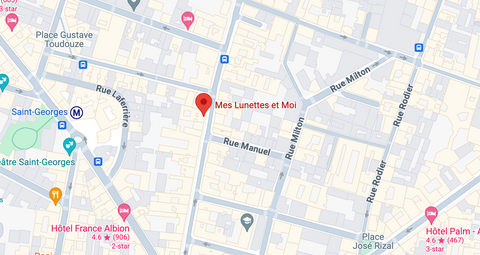
MES LUNETTES ET MOI
29 R. des Martyrs, 75009, Paris, France
Monday-Friday: 10:00-18:00
Saturday: 11:00-15:00
Sunday: Closed
+33148783996
https://www.meslunettesetmoi.fr/
OPTYK NA SOLCU
OPTYK NA SOLCU Michał Malczyk, 00-382 Warszawa, Poland
+48535950680
MILAN LUNETIER
27 Rue de Charonne, 75011, Paris, France
Monday-Friday: 10:00-18:00
Saturday: 11:00-15:00
Sunday: Closed
+33172103165
https://www.milanlunetier.com/
MLB CONCEPT
18 Rue Sainte-Croix de la Bretonnerie, 75004, Paris, France
Monday-Friday: 10:00-18:00
Saturday: 11:00-15:00
Sunday: Closed
+33142781122
https://www.marclebihan.fr/en/
MLB SAINT HONORÉ
38 Pl. du Marché Saint-Honoré, 75001, Paris, France
Monday-Friday: 10:00-18:00
Saturday: 11:00-15:00
Sunday: Closed
+33142969642
MOKO61
Mokotowska 61, 00-542, Warszawa, Poland
Monday-Friday: 10:00-18:00
Saturday: 11:00-15:00
Sunday: Closed
+48226228002
MOKO 61 OPTYK
Mokotowska 61, 00-542, Warszawa, Poland
Monday-Friday: 10:00-18:00
Saturday: 11:00-15:00
Sunday: Closed
+48226228002
MÖLNLYCKE OPTIK
Biblioteksgatan 4, 43530, Mölnlycke, Sweden
Monday-Friday: 10:00-18:00
Saturday: 11:00-15:00
Sunday: Closed
+4631880923
MONTANA EYES
718 Montana Ave, Santa Monica, CA 90403, United States
+13109174474
NAGELEISEN VISIOFACTORY
19 rue des Orfèvres, 67000 Strasbourg, France
+33310453650
NEU
〒248-0014 Kanagawa,, 3 Chome−1−28 鎌倉テーラービル 1F, Kamakura, Yuigahama, Japan
Monday-Friday: 10:00-18:00
Saturday: 11:00-15:00
Sunday: Closed
+81467224766
NEWELS EYEWEAR
Ringoldsgasse 3, 48143, Münster, Germany
Monday-Friday: 10:00-18:00
Saturday: 11:00-15:00
Sunday: Closed
+492511323945
NEYES OPTICS DIREN ERCIK E.K.
Am Kochenhof 12, 70192 Stuttgart, Germany
+4971142080309
NOWAK & JEDRAS
Ul. Górnośląska 37A,, 62-800, Kalisz, Poland
Monday-Friday: 10:00-18:00
Saturday: 11:00-15:00
Sunday: Closed
+48600934263
OCULI OPTICA AB
Polisvägen 2, 23631, Höllviken, Sweden
Monday-Friday: 10:00-18:00
Saturday: 11:00-15:00
Sunday: Closed
+4640457373
ÖGONKONTAKTEN I SOLLENTUNA AB
Sollentunavägen 177, 19148 Sollentuna, Sweden
+468353508
ÖGRENS OPTIK AB
Fabriksgatan 15a, 89133 Örnsköldsvik, Sweden
+46660211020
OKORAMA
Mokotowska 45, 00-551, Warszawa, Poland
Monday-Friday: 10:00-18:00
Saturday: 11:00-15:00
Sunday: Closed
+48226286222
One Million Glasses Ottensen
Bahrenfelder Str. 133, 22765, Hamburg, Germany
Monday-Friday: 10:00-18:00
Saturday: 11:00-15:00
Sunday: Closed
+494052590319
ONE MILLION GLASSES SCHANZE
Schulterblatt 3, 20357, Hamburg, Germany
Monday-Friday: 10:00-18:00
Saturday: 11:00-15:00
Sunday: Closed
+494041304740
ONE POINT SEVEN FOUR
1047-1049 High St, VIC 3143, Armadale, Australia
Monday-Friday: 10:00-18:00
Saturday: 11:00-15:00
Sunday: Closed
+61499444722
ONE POINT SEVEN FOUR
5 Glenmore Rd, NSW 2021, Paddington, Australia
Monday-Friday: 10:00-18:00
Saturday: 11:00-15:00
Sunday: Closed
+61404434777
ONE POINT SEVEN FOUR
3/243 Toorak Rd, VIC 3141, South Yarra, Australia
Monday-Friday: 10:00-18:00
Saturday: 11:00-15:00
Sunday: Closed
+61406957775
OOGWERELD ONGHENA
Grote Markt 11, 9120 Beveren-Kruibeke-Zwijndrecht, Belgien
Monday-Friday: 10:00-18:00
Saturday: 11:00-15:00
Sunday: Closed
OOG
Grunwaldzka 22, 81-758, Sopot, Poland
Monday-Friday: 10:00-18:00
Saturday: 11:00-15:00
Sunday: Closed
+48500209008
OOG EN OOR COENEN
Steenweg 118, 3570, Alken, Belgium
Monday-Friday: 10:00-18:00
Saturday: 11:00-15:00
Sunday: Closed
+3211591642
OPTI Q
Belgium
Monday-Friday: 10:00-18:00
Saturday: 11:00-15:00
Sunday: Closed
OPTI Q /BVBA LAMBERT
Bruggestraat 189, 8930, Menen, Belgium
Monday-Friday: 10:00-18:00
Saturday: 11:00-15:00
Sunday: Closed
+3256531932
OPTIC OCCHIO
Via XX Settembre 15, 26013, Crema CR, Italy
Monday-Friday: 10:00-18:00
Saturday: 11:00-15:00
Sunday: Closed
+390373630369
OPTIC & VISION
Av. Louise 38, 1050 Ixelles, Belgien
Monday-Friday: 10:00-18:00
Saturday: 11:00-15:00
Sunday: Closed
OPTIC & VISION / LOUISE OPTIC SA
38 Avenue Louise, 1050, Brussels, Belgium
Monday-Friday: 10:00-18:00
Saturday: 11:00-15:00
Sunday: Closed
+3225122475
OPTICA BÅSTAD
Köpmansgatan 66, 26931, Båstad, Sweden
Monday-Friday: 10:00-18:00
Saturday: 11:00-15:00
Sunday: Closed
+4643172100
OPTICA THORDSEN
Perlegade 49, 6400, Sønderborg, Denmark
Monday-Friday: 10:00-18:00
Saturday: 11:00-15:00
Sunday: Closed
+4574434411
OPTICIEN CRÉATEUR MONACO
25 Avenue de la Costa, 98000 Monaco, France
+37797777660
OPTICIENS HUGON
Rue des Capucins 43, 7000 Mons, Belgium
Monday-Friday: 10:00-18:00
Saturday: 11:00-15:00
Sunday: Closed
OPTICIENS HUGON
Rue des Capucins 43, 7000, Mons, Belgium
Monday-Friday: 10:00-18:00
Saturday: 11:00-15:00
Sunday: Closed
+3265339718
OPTICIENS MAURICE FRERES
44 Rue Saint-Jean, 54000, Nancy, France
Monday-Friday: 10:00-18:00
Saturday: 11:00-15:00
Sunday: Closed
+33383321313
OPTIEK ANSEEUW
Kortrijksestraat 11, 8020 Oostkamp, Belgium
Monday-Friday: 10:00-18:00
Saturday: 11:00-15:00
Sunday: Closed
OPTIEK ANSEEUW BVBA
Kortrijkstraat 11, 8020, Oostkamp, Belgium
Monday-Friday: 10:00-18:00
Saturday: 11:00-15:00
Sunday: Closed
+3250822447
OPTIEK BECK BVBA
Statiestraat 70, 2070, Zwijndrecht, Belgium
Monday-Friday: 10:00-18:00
Saturday: 11:00-15:00
Sunday: Closed
+3232531969
OPTIEK BECKERS
Neerstraat 31, 3980, Tessenderlo, Belgium
Monday-Friday: 10:00-18:00
Saturday: 11:00-15:00
Sunday: Closed
+3213666625
OPTIEK BLONDE
Nationalestraat 141, 2000, Antwerpen, Belgium
Monday-Friday: 10:00-18:00
Saturday: 11:00-15:00
Sunday: Closed
+3232342243
OPTIEK CARDOEN
Oude Kortrijkstraat 30, 8980, Zonnebeke, Belgium
Monday-Friday: 10:00-18:00
Saturday: 11:00-15:00
Sunday: Closed
+3257468173
OPTIEK DAELMAN BVBA
Dorpstraat 1, 1840, Londerzeel, Belgium
Monday-Friday: 10:00-18:00
Saturday: 11:00-15:00
Sunday: Closed
+3252309317
OPTIEK DE PUTTER
Th. De Beckerstraat 5, 3200, Aarschot, Belgium
Monday-Friday: 10:00-18:00
Saturday: 11:00-15:00
Sunday: Closed
+3216566632
OPTIEK DE TEMMERMAN
Hogessteen Weg1, 1850, Grimbergen, Belgium
Monday-Friday: 10:00-18:00
Saturday: 11:00-15:00
Sunday: Closed
+3222709882
OPTIEK DEMEESTER BVBA
A Markt 45, 9900, Eeklo, Belgium
Monday-Friday: 10:00-18:00
Saturday: 11:00-15:00
Sunday: Closed
+3293771879
OPTIEK HULPIAU
Brusselsesteenweg 608, 9050 Gentbrugge, Belgium
+3292302975
OPTIEK KARINE
Brugstraat 75, 3550, Heusden-Zolder, Belgium
Monday-Friday: 10:00-18:00
Saturday: 11:00-15:00
Sunday: Closed
+3211452472
OPTIEK KRISTIEN MARIS BVBA
Banneuxstraat 4, 3500, Hasselt, Belgium
Monday-Friday: 10:00-18:00
Saturday: 11:00-15:00
Sunday: Closed
+3211215522
OPTIEK KRUIJEN
Marktplein 39, 3590, Diepenbeek, Belgium
Monday-Friday: 10:00-18:00
Saturday: 11:00-15:00
Sunday: Closed
+3211322056
OPTIEK LANNOO
Gistelse Steenweg 303, 8200, Brugge, Belgium
Monday-Friday: 10:00-18:00
Saturday: 11:00-15:00
Sunday: Closed
+3250384112
OPTIEK NATHALIE BLADT
Mechelsestraat 29, 3000, Leuven, Belgium
Monday-Friday: 10:00-18:00
Saturday: 11:00-15:00
Sunday: Closed
+3216584944
OPTIEK OCKERMAN
Sint Gillislaan 151, 9200 Dendermonde, Belgium
Monday-Friday: 10:00-18:00
Saturday: 11:00-15:00
Sunday: Closed
OPTIEK OCKERMAN BVBA
Sint Gillislaan 151-153, 9200, Sint-Gillis-Dendermonde, Belgium
Monday-Friday: 10:00-18:00
Saturday: 11:00-15:00
Sunday: Closed
+3252223691
OPTIEK PLESSERS
Hoogstraat 3, 3960, Bree, Belgium
Monday-Friday: 10:00-18:00
Saturday: 11:00-15:00
Sunday: Closed
+32895215176
OPTIEK RITS
Adolphe della Faillelaan 7, 9052 Gent, Belgium
Monday-Friday: 10:00-18:00
Saturday: 11:00-15:00
Sunday: Closed
OPTIEK SONCK
Markt 43, 9160 Lokeren, Belgium
Monday-Friday: 10:00-18:00
Saturday: 11:00-15:00
Sunday: Closed
OPTIEK SONCK
Markt 43, 9160, Lokeren, Belgium
Monday-Friday: 10:00-18:00
Saturday: 11:00-15:00
Sunday: Closed
+3293482376
OPTIEK STEPHANIE VOLCKAERT
Jan frans Willemsstraat 2, 2530, Boechout, Belgium
Monday-Friday: 10:00-18:00
Saturday: 11:00-15:00
Sunday: Closed
+32486746112
OPTIEK VAN BAEL
Mechelsesteenweg 33, 2550, Kontich, Belgium
Monday-Friday: 10:00-18:00
Saturday: 11:00-15:00
Sunday: Closed
+3237711559
OPTIEK VAN RENTERGHEM
Lotstraat 51, 9880, Aalter, Belgium
Monday-Friday: 10:00-18:00
Saturday: 11:00-15:00
Sunday: Closed
+3293747494
OPTIEK VERHAMME
Stationsstraat 62, 8790, Waregem, Belgium
Monday-Friday: 10:00-18:00
Saturday: 11:00-15:00
Sunday: Closed
+3256604117
OPTIK BACHER
Marktstrasse 20, 73230, Kirchheim, Germany
Monday-Friday: 10:00-18:00
Saturday: 11:00-15:00
Sunday: Closed
+4970213591
OPTIK BAUMEISTER BRILLENMANUFAKTUR
Myliusstrasse 2, 71638, Ludwigsburg, Germany
Monday-Friday: 10:00-18:00
Saturday: 11:00-15:00
Sunday: Closed
+497141924276
OPTIK BERSTERMANN
Kolpingstraße 2, 49205 Hasbergen, Germany
+4954058083210
OPTIK HARTOGS
Leopoldstraße 27, 80802, München, Germany
Monday-Friday: 10:00-18:00
Saturday: 11:00-15:00
Sunday: Closed
+4989333312
OPTIK HOLINKA
81241, München, Germany
Monday-Friday: 10:00-18:00
Saturday: 11:00-15:00
Sunday: Closed
+4989883508
OPTIK IN DER AUSTRASSE
Fischstraße 6, 96047, Bamberg, Germany
Monday-Friday: 10:00-18:00
Saturday: 11:00-15:00
Sunday: Closed
+499512081500
OPTIK JÜRGENS
Krumme Grube 2, 33098, Paderborn, Germany
Monday-Friday: 10:00-18:00
Saturday: 11:00-15:00
Sunday: Closed
+49525127977
OPTIK KITTEL
Schwerinstraße 3, 40477, Düsseldorf, Germany
Monday-Friday: 10:00-18:00
Saturday: 11:00-15:00
Sunday: Closed
+492115136644
OPTIK LICHTENBERGER
Dompl. 9, 7000, Eisenstadt, Austria
Monday-Friday: 10:00-18:00
Saturday: 11:00-15:00
Sunday: Closed
+43268263263
OPTIK LOREK
Gesandtenstrasse 22, 93047, Regensburg, Germany
Monday-Friday: 10:00-18:00
Saturday: 11:00-15:00
Sunday: Closed
+4994158656165
OPTIK MARTIN CARL GMBH
Eppendorfer Baum 11, 20249, Hamburg, Germany
Monday-Friday: 10:00-18:00
Saturday: 11:00-15:00
Sunday: Closed
+494046070605
OPTIK MEISTEREI
Neustädter Kirchplatz 2, 91054, Erlangen, Germany
Monday-Friday: 10:00-18:00
Saturday: 11:00-15:00
Sunday: Closed
+499131611811
OPTIK MILLERT
Langenbergstraße 2, 46397, Bocholt, Germany
Monday-Friday: 10:00-18:00
Saturday: 11:00-15:00
Sunday: Closed
+4928718335
OPTIK NEUKÖTTER
Munsterstr. 13A, 48231, Warendorf, Germany
Monday-Friday: 10:00-18:00
Saturday: 11:00-15:00
Sunday: Closed
+4925812220
OPTIK ODENTHAL GBR
Dellbrücker Haupstraße 127-129, 51069, Köln, Germany
Monday-Friday: 10:00-18:00
Saturday: 11:00-15:00
Sunday: Closed
+49221682266
OPTIK ORGELGASSE // INACTIVE
Lindenstraße 58, 49191 Belm, Germany
+4954068159744
OPTIK PETER MEYER
Krahnstraße 17 -18, 49074, Osnabrück, Germany
Monday-Friday: 10:00-18:00
Saturday: 11:00-15:00
Sunday: Closed
+4954129746
OPTIK PFLEGER
Münchner Strasse 3A, 85551, Kirchheim, Germany
Monday-Friday: 10:00-18:00
Saturday: 11:00-15:00
Sunday: Closed
+49899035757
OPTIK SEHENSWERT
Osnabrücker Str. 113, 48429, Rheine, Germany
Monday-Friday: 10:00-18:00
Saturday: 11:00-15:00
Sunday: Closed
+49597183837
OPTIK WALLNER
Metzlerweg 6, 70186, Stuttgart, Germany
Monday-Friday: 10:00-18:00
Saturday: 11:00-15:00
Sunday: Closed
+497151959480
OPTIK ZWO
Schottenstraße 4, 97483, Eltmann, Germany
Monday-Friday: 10:00-18:00
Saturday: 11:00-15:00
Sunday: Closed
+4995222940090
OPTIKBAREN
Hantverkargatan 22, 11221, Stockholm, Sweden
Monday-Friday: 10:00-18:00
Saturday: 11:00-15:00
Sunday: Closed
+4686536565
OPTIKER CARLBERG
Danska Vägen 76, 40060, Göteborg, Sweden
Monday-Friday: 10:00-18:00
Saturday: 11:00-15:00
Sunday: Closed
+4631254245
OPTIKER SCHÜTZ OHG
Am Waisenhausplatz 16, 75172, Pforzheim, Germany
Monday-Friday: 10:00-18:00
Saturday: 11:00-15:00
Sunday: Closed
+497231144180
OPTIKER TILLGREN
Stortorget 4, 21134, Malmö, Sweden
Monday-Friday: 10:00-18:00
Saturday: 11:00-15:00
Sunday: Closed
+464075270
OPTIKER ULLSTRÖM
Barnarpsgatan 7, 55316, Jönköping, Sweden
Monday-Friday: 10:00-18:00
Saturday: 11:00-15:00
Sunday: Closed
+4636121968
OPTIKHUSET KARLSTAD
Västra Torggatan 14, 65225, Karlstad, Sweden
Monday-Friday: 10:00-18:00
Saturday: 11:00-15:00
Sunday: Closed
+4654182020
OPTIKKO HEINIÖ
Kyttälänkatu 9, 33100, Tampere, Finland
Monday-Friday: 10:00-18:00
Saturday: 11:00-15:00
Sunday: Closed
+358449839183
OPTIL
Rue Xavier De Bue 40, 1180, Uccle, Belgium
Monday-Friday: 10:00-18:00
Saturday: 11:00-15:00
Sunday: Closed
+3223460957
OPTIQUE DES CARMES
33 Pl. des Carmes, 87000, Limoges, France
Monday-Friday: 10:00-18:00
Saturday: 11:00-15:00
Sunday: Closed
+33555341253
OPTIQUE DEVEZAUD
36 av.de la Liberation, 33360, Latresne, France
Monday-Friday: 10:00-18:00
Saturday: 11:00-15:00
Sunday: Closed
+33556327835
OPTIQUE MONTICELLI L'UNION
17 Centre Commercial St Caprais, 31240 L'Union, France
+33561741369
OPTIQUE MONTICELLI L'UNION
Centre Commercial St Caprais,, 31240, L'Union, France
Monday-Friday: 10:00-18:00
Saturday: 11:00-15:00
Sunday: Closed
+33561741369
OPTIQUE ROSERAIE
35 Route d'Agde, 31500, Toulouse, France
Monday-Friday: 10:00-18:00
Saturday: 11:00-15:00
Sunday: Closed
+33561480574
OPTIQUE SCRIBE
9 Rue Scribe, 44000, Nantes, France
Monday-Friday: 10:00-18:00
Saturday: 11:00-15:00
Sunday: Closed
+33240693257
OPTIQUE VANEAU
97 Rue De Sévres, 75006, Paris, France
Monday-Friday: 10:00-18:00
Saturday: 11:00-15:00
Sunday: Closed
+33142226842
OPTIQUE VENEZ VOIR
11 Rue Hoche, 35000, Rennes, France
Monday-Friday: 10:00-18:00
Saturday: 11:00-15:00
Sunday: Closed
+33299387658
OPTIROOM
Šv. Gertrūdos g. 37, 44283, Kaunas, Lithuania
Monday-Friday: 10:00-18:00
Saturday: 11:00-15:00
Sunday: Closed
+37061989090
OPTIROOM UAB OPTRIKA
Optiroom Uab Optrika, 31126 Visaginas, Lithuania
+37061989090
OPTOMETRIA CIBOREK
ul. Ceramiczna 20, 03126 Warszawa, Poland
+48222036616
OPTOMETRIA - KARCZEWSKI S.C.
Lisia 3, 100, Torun, Poland
Monday-Friday: 10:00-18:00
Saturday: 11:00-15:00
Sunday: Closed
+48566545681
OPTOTEKA
Nadwiślańska 11, 30-527, Kraków, Poland
Monday-Friday: 10:00-18:00
Saturday: 11:00-15:00
Sunday: Closed
+48511085085
OPTOTON
Henryka Sienkiewicza 4, 90-113, Łódź, Poland
Monday-Friday: 10:00-18:00
Saturday: 11:00-15:00
Sunday: Closed
OPTPOL
Józefa Piłsudskiego 29, 05-120, Legionowo, Poland
Monday-Friday: 10:00-18:00
Saturday: 11:00-15:00
Sunday: Closed
+48664006147
OPTPOL SALON OPTYCZNY
UL. Marsz. J Pilsudskiego 29, 05120 Legionowo, Poland
+48227840833
OPTYK ANNA HOLKA
Przemysłowa 36, 00-450, Warszawa, Poland
Monday-Friday: 10:00-18:00
Saturday: 11:00-15:00
Sunday: Closed
+48505279078
OPTYK ANNA WOJCIK-BLASZCYK
Mikołaja Reja 61B, 62-100, Wągrowiec, Poland
Monday-Friday: 10:00-18:00
Saturday: 11:00-15:00
Sunday: Closed
+48795755835
OPTYK BROZEK
Czarnowiejska 7, 31-766, Kraków, Poland
Monday-Friday: 10:00-18:00
Saturday: 11:00-15:00
Sunday: Closed
+48739276935
OPTYK KOŁDER SPÓŁKA JAWN
ul. Władysława Jagiełły 15, 32-600 Oświęcim, Poland
+48516108447
OPTYK KOSIŃSKI JANUSZ - ZAKŁAD OPTYCZNY
Szeroka 11, 39-400, Tarnobrzeg, Poland
Monday-Friday: 10:00-18:00
Saturday: 11:00-15:00
Sunday: Closed
+48158231415
OPTYKA I OPTOMETRIA JOANNA BORYCKA
ul. Szkolna 2/1, 51311 Kielczowek, Poland
+48503089243
OSE IRIS OPTIQUE
9 Rue Pierre Aim'e Lair, 14000 Caen, France
+33231238902
OTTICA BONAGUIDI
Via Montalbano, 78, 51039, Quarrata PT, Italy
Monday-Friday: 10:00-18:00
Saturday: 11:00-15:00
Sunday: Closed
+390573739698
OTTICA CALO 1932
"Piazza del Risorgimento, 34", 00192 Roma, Italy
+393332880093
OTTICA MINEO & MINEO
"Via Giovanni Alfredo Cesareo, 45/47", 90144 Palermo PA, Italy
+39916253366
OTTICA MIRKO
Europagalerie 15A, 39100, Bolzano, Italy
Monday-Friday: 10:00-18:00
Saturday: 11:00-15:00
Sunday: Closed
+390471973610
OTTICA SIROKI
Via Dante Alighieri, 14, 34122, Trieste TS, Italy
Monday-Friday: 10:00-18:00
Saturday: 11:00-15:00
Sunday: Closed
+39040636487
OTTICO BERTELLA
Via Guido Zadei 49, 25123, Brescia BS, Italy
Monday-Friday: 10:00-18:00
Saturday: 11:00-15:00
Sunday: Closed
+39030382106
OPTIK BACHER
Marktstrasse 20, 73230 Kirchheim unter Teck, Germany
+4970213591
PIERRE OPTICIEN
18 Rue Lucas, 3200, Vichy, France
Monday-Friday: 10:00-18:00
Saturday: 11:00-15:00
Sunday: Closed
+33470961034
PINGLE OPTYK
Hoża 40, 00-516, Warszawa, Poland
Monday-Friday: 10:00-18:00
Saturday: 11:00-15:00
Sunday: Closed
+48798025505
PLUSMINUS OPTIC
Hagasmári 1, 201, Kópavogur, Iceland
Monday-Friday: 10:00-18:00
Saturday: 11:00-15:00
Sunday: Closed
+3545170317
POMPE OPTIC
Friedrich-Wilhelm-Strasse 36, 38100, Braunschweig, Germany
Monday-Friday: 10:00-18:00
Saturday: 11:00-15:00
Sunday: Closed
+4953145237
POUL STIG BILLER - HØRSHOLM
Hovedgaden 49, 2970, Hørsholm, Denmark
Monday-Friday: 10:00-18:00
Saturday: 11:00-15:00
Sunday: Closed
+4533155252
POUL STIG BRILLER - FREDERIKSBERG
Gl. Kongevej 87, 1850, Frederiksberg C, Denmark
Monday-Friday: 10:00-18:00
Saturday: 11:00-15:00
Sunday: Closed
+4533155252
POUL STIG BRILLER - HELLERUP
Strandvejen 187, 2900, Hellerup, Denmark
Monday-Friday: 10:00-18:00
Saturday: 11:00-15:00
Sunday: Closed
+4533155251
POUL STIG BRILLER - ISTEGADE
Istedgade 124, 1650, København, Denmark
Monday-Friday: 10:00-18:00
Saturday: 11:00-15:00
Sunday: Closed
+4533155252
POUL STIG BRILLER - LYNGBY
Lyngby Hovedgade 70A, 2800, Kongens Lyngby, Denmark
Monday-Friday: 10:00-18:00
Saturday: 11:00-15:00
Sunday: Closed
+4533155252
POUL STIG BRILLER - ØSTERBRO
Østerbrogade 86, 2100, København, Denmark
Monday-Friday: 10:00-18:00
Saturday: 11:00-15:00
Sunday: Closed
+4533155252
POUL STIG BRILLER - ØSTERGADE
Østergade 24, 1100, København K, Denmark
Monday-Friday: 10:00-18:00
Saturday: 11:00-15:00
Sunday: Closed
+4533155252
PREISLERS
Stortorget 4, 21134, Malmö, Sweden
Monday-Friday: 10:00-18:00
Saturday: 11:00-15:00
Sunday: Closed
+464075270
PRIMA OTYKA
Długa 19, 95-100, Zgierz, Poland
Monday-Friday: 10:00-18:00
Saturday: 11:00-15:00
Sunday: Closed
+48533800027
PRIVATE EYE E.K.
Burgstrasse 3, 65183, Wiesbaden, Germany
Monday-Friday: 10:00-18:00
Saturday: 11:00-15:00
Sunday: Closed
+4940611370902
PUPILLE BRILLEN & CONTACTLINSEN
Gärtnerpl. 2, 80469, München, Germany
Monday-Friday: 10:00-18:00
Saturday: 11:00-15:00
Sunday: Closed
+49892017067
RADOSLAW WOLLENSZLEGER
ul. Grojecka 40a/41, 02-320 Warszawa, Poland
+48535960680
RAINER BRENNER AUGENOPTIK
Goethestrasse 24, 60313 Frankfurt am Main, Germany
+49692999080
RALPH WEIS OPTICIENS
14 Rue Louvigny, 1946, Ville-Haute, Luxembourg
Monday-Friday: 10:00-18:00
Saturday: 11:00-15:00
Sunday: Closed
+352462833
REISER OPTOMETRY
David Remez 13 St, 4231015 Netanya, Israel
+972523283358
RIEN A VOIR 25
25 Rue de la Clef, 59800, Lille, France
Monday-Friday: 10:00-18:00
Saturday: 11:00-15:00
Sunday: Closed
+33320401986
RINGDAHLS OPTIK
Fleminggatan 36, 10028, Stockholm, Sweden
Monday-Friday: 10:00-18:00
Saturday: 11:00-15:00
Sunday: Closed
+4686501922
Rosiewicz Optyka
Partyzantów 15, 43-300, Bielsko-Biała, Poland
Monday-Friday: 10:00-18:00
Saturday: 11:00-15:00
Sunday: Closed
+48500734338
S. ADLER FEINE HANDWERKLICH AUGENOPTIK
Friedensplatz 4, 64283 Darmstadt, Germany
+4961516609790
4EYES SALON OPTYCZNY
ul. Półwiejska 30/1, 61888 Poznań, Poland
+48607858224
FRAME SALON OPTYCZNY
ul. Zygmunta Hübnera 2/U9, 01756 Warszawa, Poland
+48579739604
SATTLER OPTIK
Murgasse 8, 8010, Graz, Austria
Monday-Friday: 10:00-18:00
Saturday: 11:00-15:00
Sunday: Closed
+43316713155
SAUVAGE
18 Tamar Chovelidze St, 108, Tbilisi, Georgia
Monday-Friday: 10:00-18:00
Saturday: 11:00-15:00
Sunday: Closed
+995322939123
SCHARAX OPTIK
Messestraße 2, 6850, Dornbirn, Austria
Monday-Friday: 10:00-18:00
Saturday: 11:00-15:00
Sunday: Closed
+43557229591
SCHARAX OPTIK GMBH (BREGENZ)
Kaspa-Hagen- Strasse 2, 6900 Bregenz, Austria
+43557444131
SCHAUHAUS
Marktpl. 5, 90762, Fürth, Germany
Monday-Friday: 10:00-18:00
Saturday: 11:00-15:00
Sunday: Closed
+499117879787
SCHAULUST OPTIK
Hauptstraße 31- 33, 1097, Dresden, Germany
Monday-Friday: 10:00-18:00
Saturday: 11:00-15:00
Sunday: Closed
+493516567766
SCHMUTZ OPTICIENS
Rue du Petit-Chêne 20, 1003, Lausanne, Switzerland
Monday-Friday: 10:00-18:00
Saturday: 11:00-15:00
Sunday: Closed
+41213230136
SCHMUTZ OPTICIENS
Rue du Lac 43, 1800, Vevey, Switzerland
Monday-Friday: 10:00-18:00
Saturday: 11:00-15:00
Sunday: Closed
+41219228687
SCHMUTZ OPTICIENS
Boulevard de Pérolles 5, 1700, Fribourg, Switzerland
Monday-Friday: 10:00-18:00
Saturday: 11:00-15:00
Sunday: Closed
+41263224706
SCHÖNHELDEN
Thaerstraße 28, 10249, Berlin, Germany
Monday-Friday: 10:00-18:00
Saturday: 11:00-15:00
Sunday: Closed
+493040587874
SCHWAIGER AUGENOPTIK AND HÖRAKUSTIK
Sparkassenpl. 1, 4690 Schwanenstadt, Austria
+4376732337
SE & SYNAS STRÄNGNÄS
Trädgårdsgatan 14A, 64531, Strängnäs, Sweden
Monday-Friday: 10:00-18:00
Saturday: 11:00-15:00
Sunday: Closed
+4615218822
SEERUP OPTICS
Søndergade 6, 6000, Kolding, Denmark
Monday-Friday: 10:00-18:00
Saturday: 11:00-15:00
Sunday: Closed
+4575509944
SEERUP OPTICS
Bredgade 3, 7400, Herning, Denmark
Monday-Friday: 10:00-18:00
Saturday: 11:00-15:00
Sunday: Closed
+4597121956
SEHENSWERT GÖTTINGEN
Jüdenstrasse 15, 37073, Göttingen, Germany
Monday-Friday: 10:00-18:00
Saturday: 11:00-15:00
Sunday: Closed
+4955518207788
SHADES PARIS
312-316 Rue Saint-Martin, 75003, Paris, France
Monday-Friday: 10:00-18:00
Saturday: 11:00-15:00
Sunday: Closed
+33983859866
SICHTBAR AUGENOPTIK
Sophienstrasse 15, 70178, Stuttgart, Germany
Monday-Friday: 10:00-18:00
Saturday: 11:00-15:00
Sunday: Closed
+497116079881
SICHTWECHSEL
Sredzkistraße 23, 10435, Berlin, Germany
Monday-Friday: 10:00-18:00
Saturday: 11:00-15:00
Sunday: Closed
+493025742949
SICHTWECHSEL BERLIN
Sredzkistraße 23, 10435 Berlin, Germany
+493025742949
SIEBER BRILLEN OPTIK GMBH
Neumarkt 16-18, 4109, Leipzig, Germany
Monday-Friday: 10:00-18:00
Saturday: 11:00-15:00
Sunday: Closed
+493419600216
SMEETS VAN HOPPLYNUS OPTICIENS
Chaussée de Waterloo 1359J, 1180 Uccle, Belgium
+3223754400
SMEETS VAN HOPPLYNUS OPTICIENS
Chaussée de Waterloo 1359J, 1180, Uccle, Belgium
Monday-Friday: 10:00-18:00
Saturday: 11:00-15:00
Sunday: Closed
+3223754400
SOPHIE TAYLOR-WEST + CO OPTOMETRIST
"54 Western Road, Hove", BN3 1JD East Sussex, United Kingdom
+441273567475
SPECS BERLIN
Alte Schönhauser Str. 39, 10119, Berlin, Germany
Monday-Friday: 10:00-18:00
Saturday: 11:00-15:00
Sunday: Closed
+493040054567
STECCA OPTOMETRIA
Via Roma, 53, 36040, Torri di Quartesolo VI, Italy
Monday-Friday: 10:00-18:00
Saturday: 11:00-15:00
Sunday: Closed
+390444582525
STILPLUS OPTIC
Unser Lieben Frauen Kirchhof 9, 28195, Bremen, Germany
Monday-Friday: 10:00-18:00
Saturday: 11:00-15:00
Sunday: Closed
+4904213649393
STINO OPTIK
Wollzeile 32, 1010, Wien, Austria
Monday-Friday: 10:00-18:00
Saturday: 11:00-15:00
Sunday: Closed
+4315134802
STUDIO OPTYCZNE 44
Mikołaja Kopernika 3, 40-064, Katowice, Poland
Monday-Friday: 10:00-18:00
Saturday: 11:00-15:00
Sunday: Closed
+48322042273
STUREOPTIKERN
Grev Turegatan 9, 11446, Stockholm, Sweden
Monday-Friday: 10:00-18:00
Saturday: 11:00-15:00
Sunday: Closed
+4686115500
https://stureoptikern.se/
SWAN OPTIK
Landbrogatan 11, 37134, Karlskrona, Sweden
Monday-Friday: 10:00-18:00
Saturday: 11:00-15:00
Sunday: Closed
+4645512012
T-OPTIK
Uusi osoite: Kalevankatu 22 ja Fredrikinkatu 45 kulma, 100, Helsinki, Finland
Monday-Friday: 10:00-18:00
Saturday: 11:00-15:00
Sunday: Closed
+3589605550
TAL OPTIC
Landau Street 7, 5228266, Ramat Gan, Israel
Monday-Friday: 10:00-18:00
Saturday: 11:00-15:00
Sunday: Closed
+97235749904
TAYLOR-WEST & CO.OPTICIANS
68 Northcote Road, SW11 6QL London, United Kingdom
+442079244488
TAYLOR-WEST + CO OPTOMETRIST
54 Western Rd, BN3 1JD, Brighton and Hove, United Kingdom
Monday-Friday: 10:00-18:00
Saturday: 11:00-15:00
Sunday: Closed
+441273567475
TAYLOR-WEST + CO OPTOMETRIST
68 Northcote Road, SW11 6QL, London, United Kingdom
Monday-Friday: 10:00-18:00
Saturday: 11:00-15:00
Sunday: Closed
+442079244488
TELLS OPTIK
Österväg 1, 62145, Visby, Sweden
Monday-Friday: 10:00-18:00
Saturday: 11:00-15:00
Sunday: Closed
+468271200
THE NEXT DOOR
10 Rue Beaurepaire, 75010, Paris, France
Monday-Friday: 10:00-18:00
Saturday: 11:00-15:00
Sunday: Closed
+33142001020
TONNY JEPSEN
Nygade 13, 8600, Silkeborg, Denmark
Monday-Friday: 10:00-18:00
Saturday: 11:00-15:00
Sunday: Closed
+4586844010
TORI OPTIIKKA
Sibeliuksenkatu 9, 13100, Hämeenlinna, Finland
Monday-Friday: 10:00-18:00
Saturday: 11:00-15:00
Sunday: Closed
+35836537777
TUNDERMAN HOYTEMA BV
Van Hoytemastraat 37,, 2596, EN Den Haag, Netherlands
Monday-Friday: 10:00-18:00
Saturday: 11:00-15:00
Sunday: Closed
+31703242056
U & EYE OPTIK
Irene-Kärcher-Straße 5, 74423 Obersontheim, Germany
+4979739649030
VARBERGS OPTIK
Kungsgatan 18, 43241, Varberg, Sweden
Monday-Friday: 10:00-18:00
Saturday: 11:00-15:00
Sunday: Closed
+4634014080
VEDI OPTIK
Isafjordsgade 1, 2300, København S, Denmark
Monday-Friday: 10:00-18:00
Saturday: 11:00-15:00
Sunday: Closed
+4532114020
VERDOODT&POTTELBERGH
Bazelstraat 299E, 9150, Kruibeke, Belgium
Monday-Friday: 10:00-18:00
Saturday: 11:00-15:00
Sunday: Closed
+3237743675
VINGERHOETS OPTIC
Desire Boucherystraat 24-26, 2800, Mechelen, Belgium
Monday-Friday: 10:00-18:00
Saturday: 11:00-15:00
Sunday: Closed
+3215216047
OPTIK KRAMER BY VISION SYSTEM STORE
Hussenstraße 32, 78462 Konstanz, Germany
+49753122123
VOR AUGEN OPTIK GMBH & CO. KG
Waldstraße 36, 76133 Karlsruhe, Germany
+4972183070202
VUE D´AUTEUIL
64 Rue Jean de La Fontaine, 75016, Paris, France
Monday-Friday: 10:00-18:00
Saturday: 11:00-15:00
Sunday: Closed
+33189169383
VUE DE PARIS
66 Rue La Boétie, 75008, Paris, France
Monday-Friday: 10:00-18:00
Saturday: 11:00-15:00
Sunday: Closed
+33143591898
WASA OPTIK
Vasaplatsen 7, 41126, Göteborg, Sweden
Monday-Friday: 10:00-18:00
Saturday: 11:00-15:00
Sunday: Closed
+46317110535
WAUTERS EYEBOUTIQUE
Belgium
Monday-Friday: 10:00-18:00
Saturday: 11:00-15:00
Sunday: Closed
WAXHOLMS OPTIK
Hamngatan 24, 18532, Vaxholm, Sweden
Monday-Friday: 10:00-18:00
Saturday: 11:00-15:00
Sunday: Closed
+46854130167
WEBMUSE BINOKLE
ul. Nadwislanska 11/324, 30527 Krakow, Poland
+48606393079
WILLSON COLLECTIONS
Darwin Eco-Systéme, 33100 Bordeaux, France
+33761256161
WIPFLER AUGENOPTIK E. K. TOBIAS WEHRLE
Lammstraße 19, 79312 Emmendingen, Germany
+49764153131
WMO / MARTEL OPTICIEN
55 Av. des États Unis, 63000, Clermont-Ferrand, France
Monday-Friday: 10:00-18:00
Saturday: 11:00-15:00
Sunday: Closed
+33473309430
WRW PROJEKT SP Z O.O. SP. KOMANDYTOWA
Ul. Pulaskiego 60, 40028 Katowice, Poland
+48326012005
WUNSCHBRILLE
Eberhardstraße 24, 71634 Ludwigsburg, Germany
+4971419925711
XAVIER VANEU OPTICIEN
Chau. de Waterloo 561, 1050 Ixelles, Belgium
+3224788493
XAVIER VANEU OPTICIEN
561 Chaussee De Waterloo, 1050, Bruxelles, Belgium
Monday-Friday: 10:00-18:00
Saturday: 11:00-15:00
Sunday: Closed
+3224788493
YOSEMITE EYEWEAR BOSTON
107 Charles St, 02114 Boston, United States
+16174316944
ZAKLAD OPTYCZNY A.LEWANDOWSKI SC
Starowiejska 43, 81-363, Gdynia, Poland
Monday-Friday: 10:00-18:00
Saturday: 11:00-15:00
Sunday: Closed
+48587819282
ZAKLAD OPTYCZNY AGINIESKA BURLINSKA
Ul. Zwyciestwa 1, 05120 Legionowo, Poland
+48691032098
ZAKLAD OPTYCZNY KATARZYNA MORAWSKA
Ul. Piotrkowska 97, 90-425, Lodz, Poland
Monday-Friday: 10:00-18:00
Saturday: 11:00-15:00
Sunday: Closed
+48426333192
ZAKLAD OPTYCZNY KOTELAK
Ul. Chelminska 15, 87100 Torun, Poland
+48501432109
ZAKLAD OPTYCZNY KRZYSTOF NIEDBALSKI
Jerozolimskie 65, 00-697, Warszawa, Poland
Monday-Friday: 10:00-18:00
Saturday: 11:00-15:00
Sunday: Closed
+48226307269
ZAKLAD OPTYCZNY KRZYSZTOF CWIK
UL. Postepu 21, 02-676 Warszawa, Poland
+4848500163038
ZAKŁAD OPTYCZNY MJ SOKOLOWSKI SC
ul. Zelazna 67/U23, 00-871 Warszawa, Poland
+48226247005
ZAKLAD OPTYCZNY S.C.
Kalwaryjska 96, 30-504, Kraków, Poland
Monday-Friday: 10:00-18:00
Saturday: 11:00-15:00
Sunday: Closed
+48126560279
ZAKLAD OPTYCZNY S.C. CLIVIA VOIGT
Grodzka 33, 31-001, Kraków, Poland
Monday-Friday: 10:00-18:00
Saturday: 11:00-15:00
Sunday: Closed
+48124303022
ZAUNER BRILLEN
Paris-Lodron-Straße 13A, 5020 Salzburg, Austria
+43662879959
ZEISS VISION CENTER BOCHUM
Bongardstraße 40, 44787 Bochum, Germany
+4923429700140


